

Heritage properties with
enduring significance.
We focus exclusively on architecturally significant heritage buildings in established urban centres. Each property in our portfolio was selected for its historical value, structural integrity, and long-term investment potential.
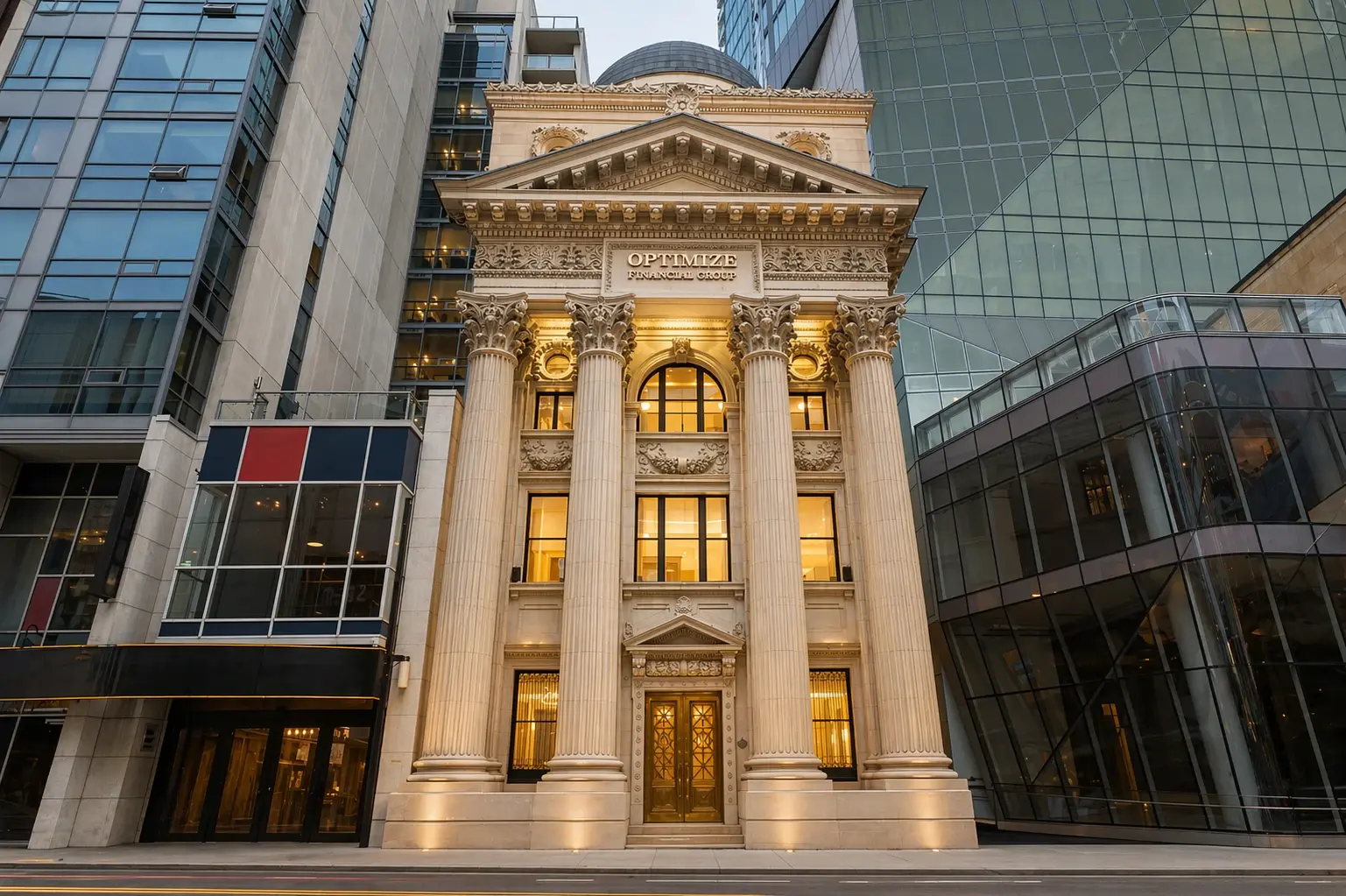
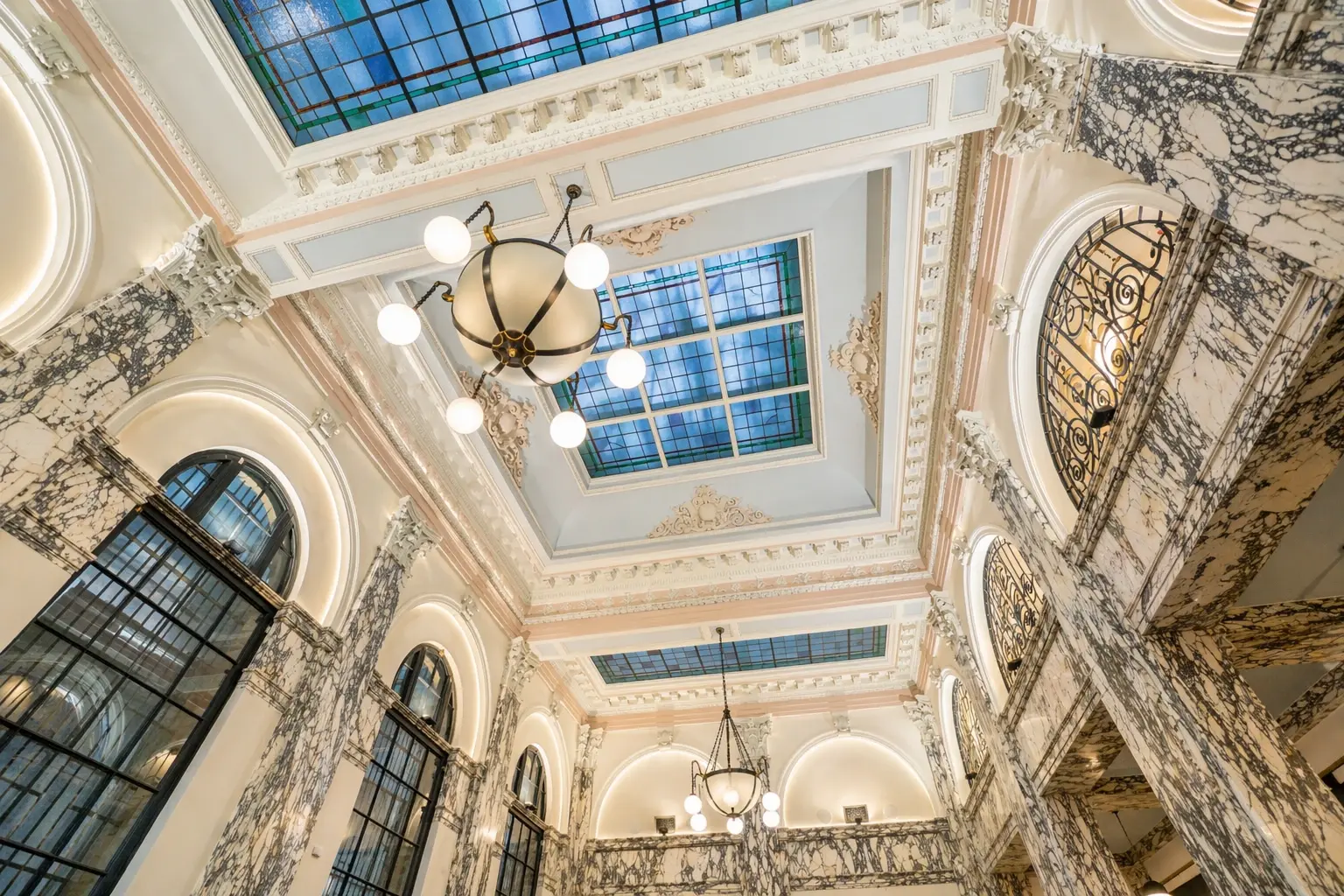
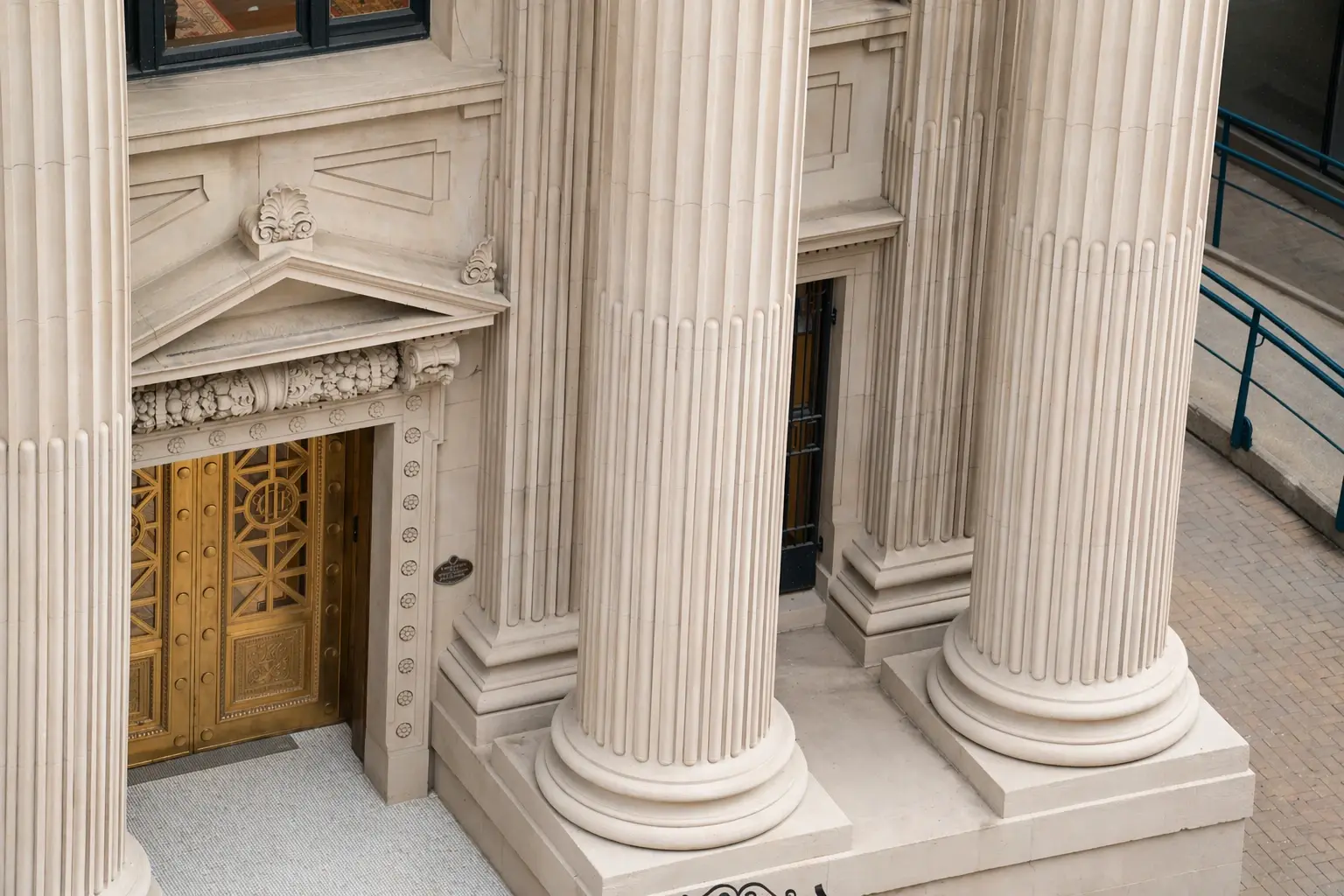
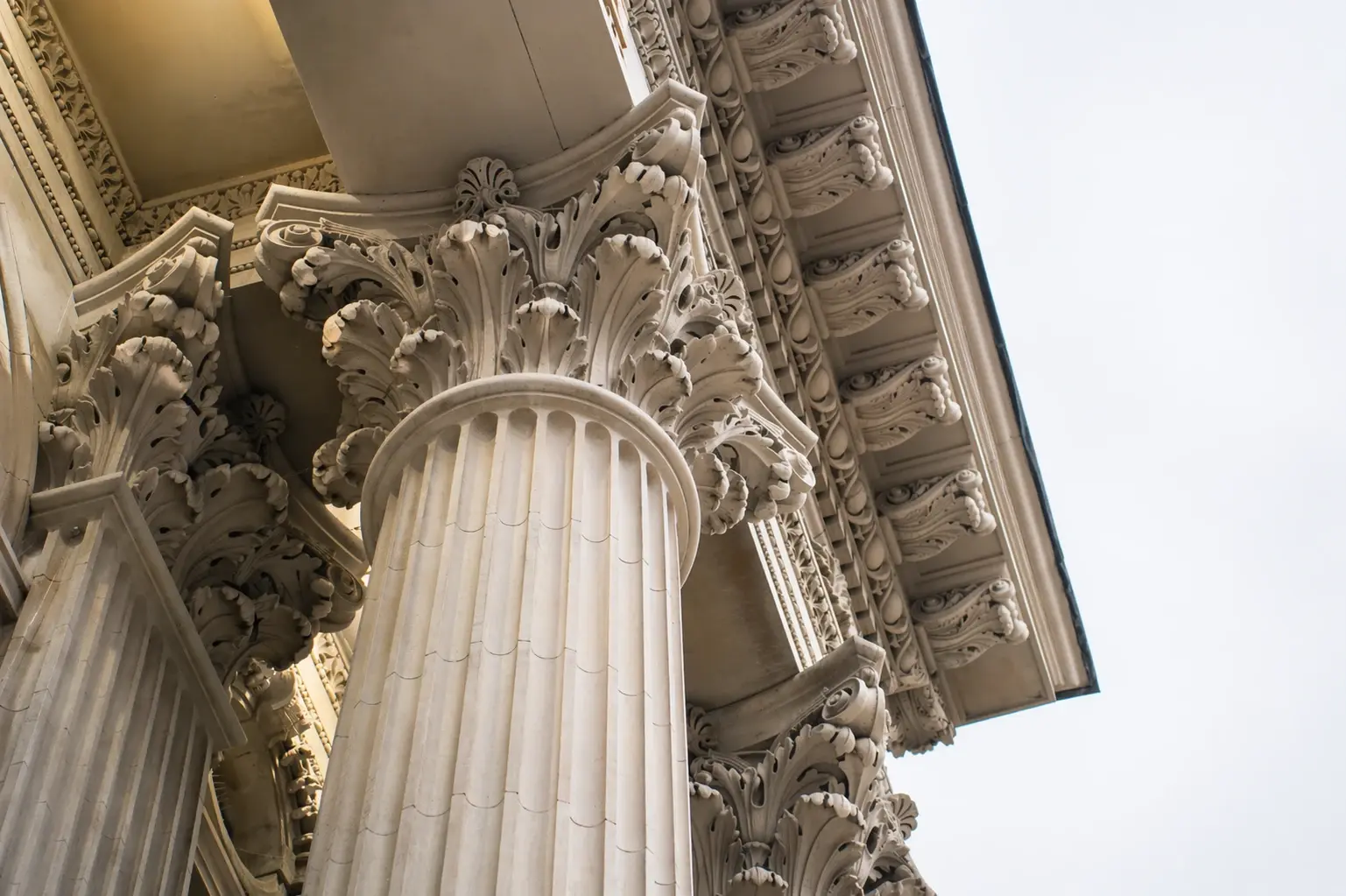
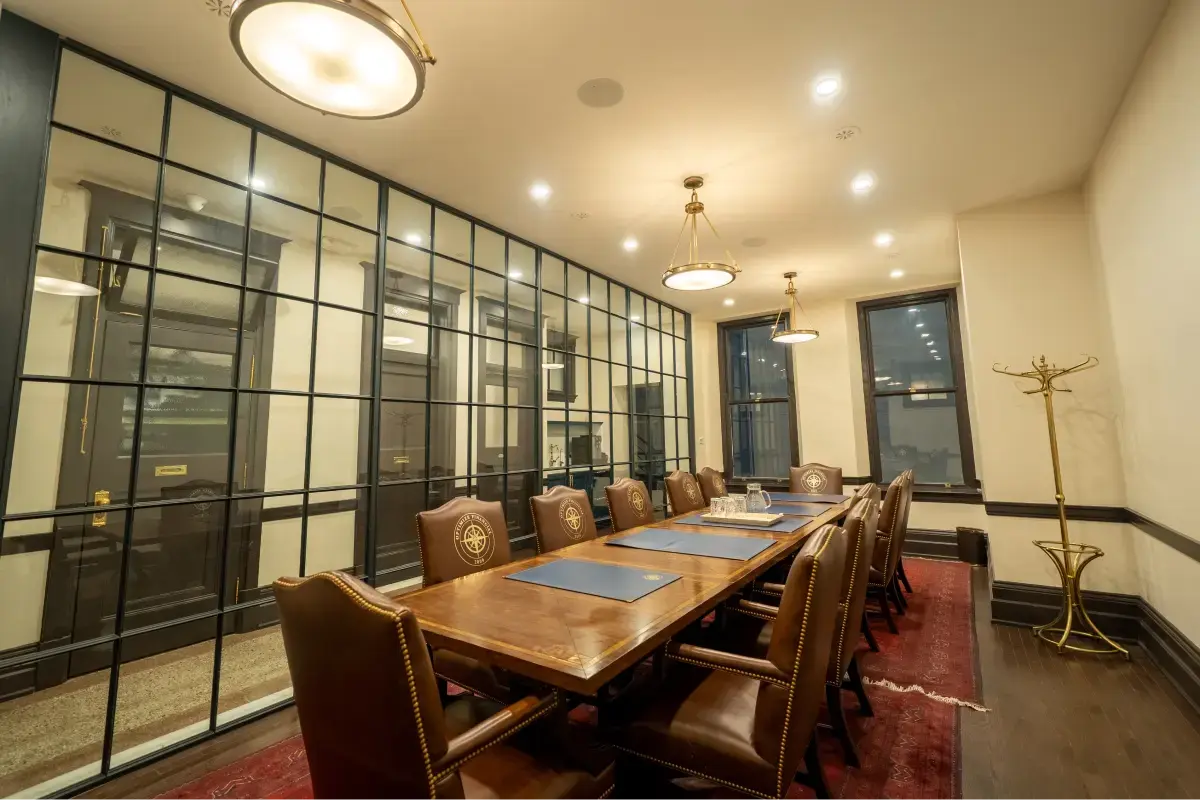
McGrath Hall
205 Yonge Street, Toronto
McGrath Hall
205 Yonge Street, Toronto
Designed by E.J. Lennox — the architect behind Casa Loma and Toronto's Old City Hall — the former Bank of Toronto at 205 Yonge Street is a four-storey neoclassical landmark modelled after the Roman Pantheon. Its monumental Indiana limestone facade features three-storey Corinthian columns, a pedimented portico, and a striking hemispherical dome. Inside, the grand banking hall retains its original marble floors, terrazzo detailing, and stained glass skylights. Designated under the Ontario Heritage Act in 1975, the building stands as one of the few surviving pre-war bank structures on Yonge Street and a defining element of the historic theatre block.
Key Features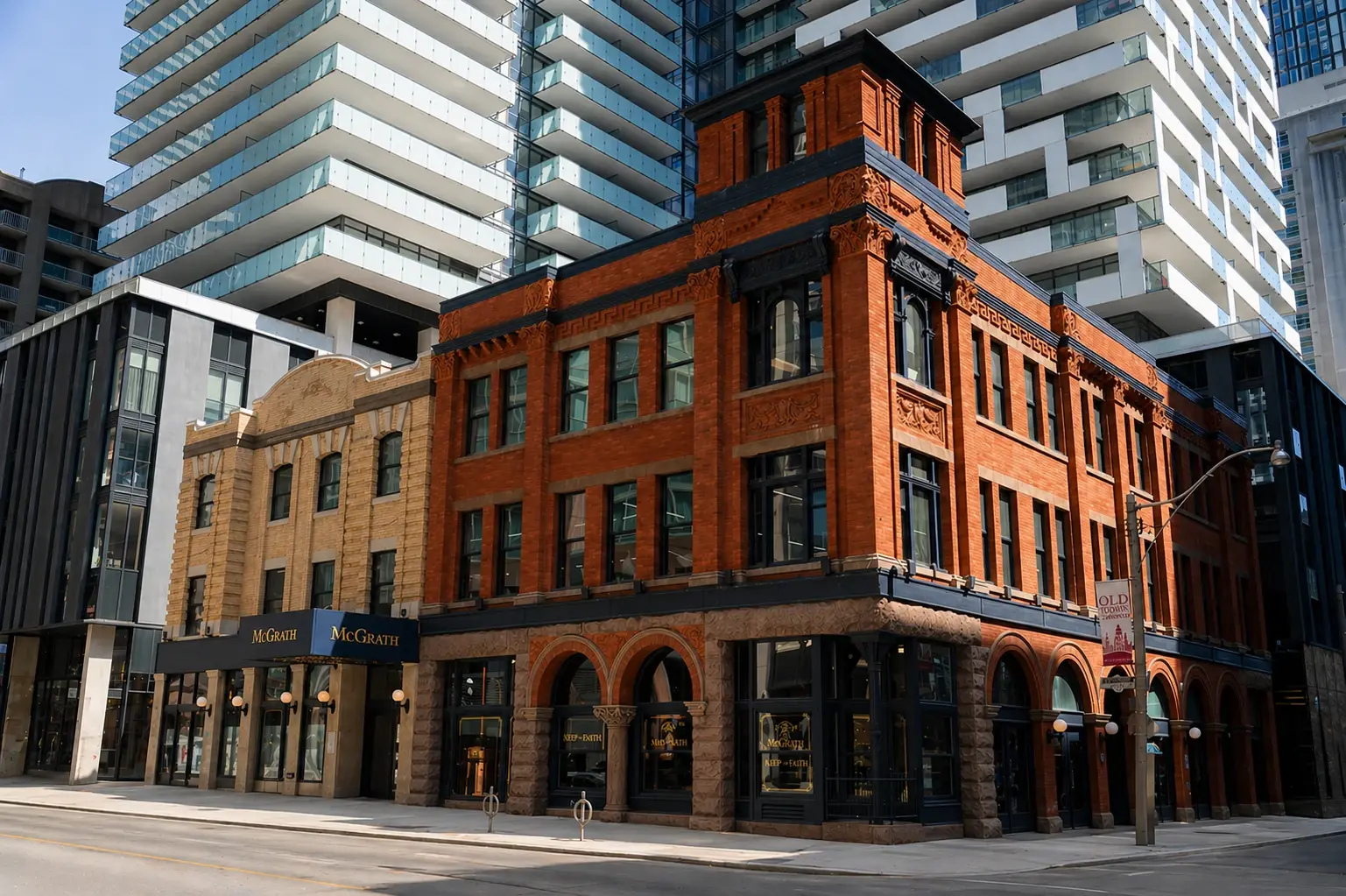
The Comstock Building
2 Lombard Street, Toronto
The Comstock Building
2 Lombard Street, Toronto
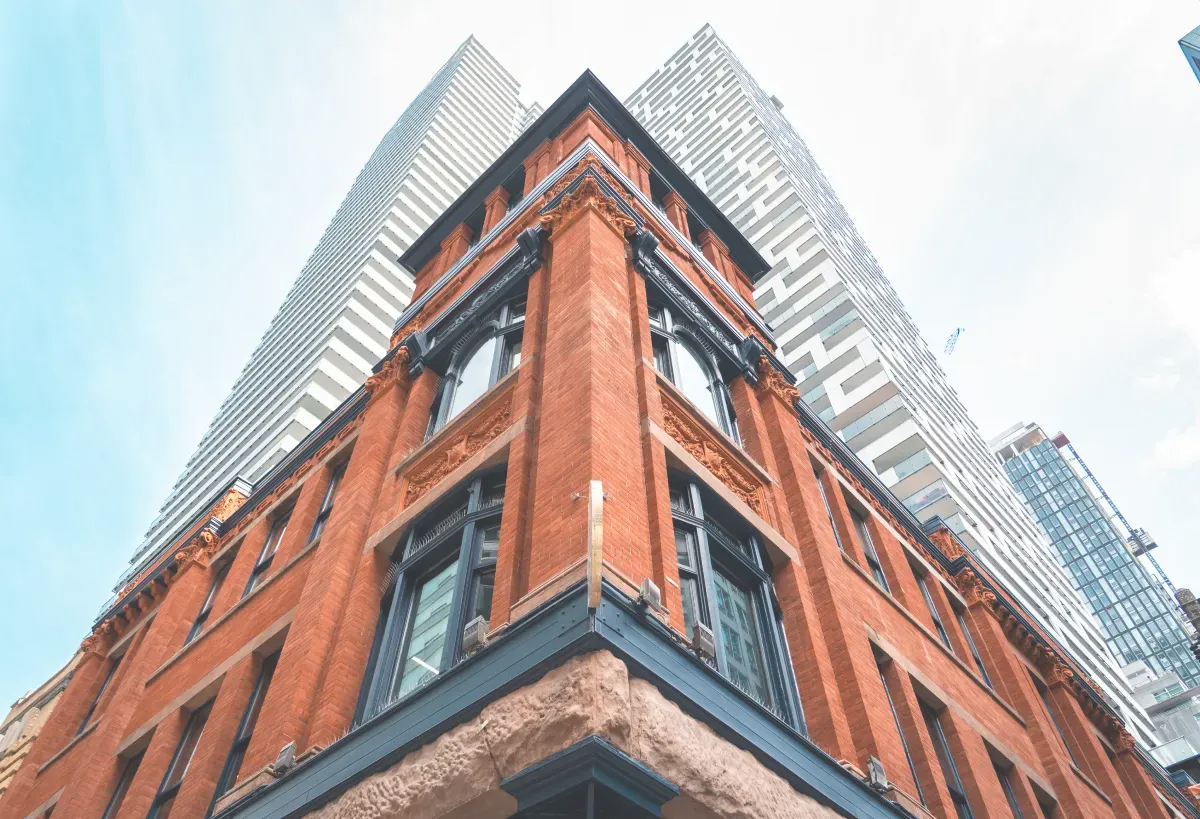
Situated at the corner of Victoria and Lombard Streets in the heart of downtown Toronto, 2 Lombard Street is a three-storey Victorian-era commercial building dating to 1890. The property reflects the architectural character of late 19th-century Toronto, when Lombard Street was transforming from a residential quarter into a thriving commercial corridor. The building's enduring brick masonry construction and classical proportions speak to the craftsmanship of the period. Its location within one of Toronto's most historically rich neighbourhoods — steps from heritage landmarks, the Financial District, and the St. Lawrence Market — positions it as a distinctive asset with significant adaptive reuse potential.
Key Features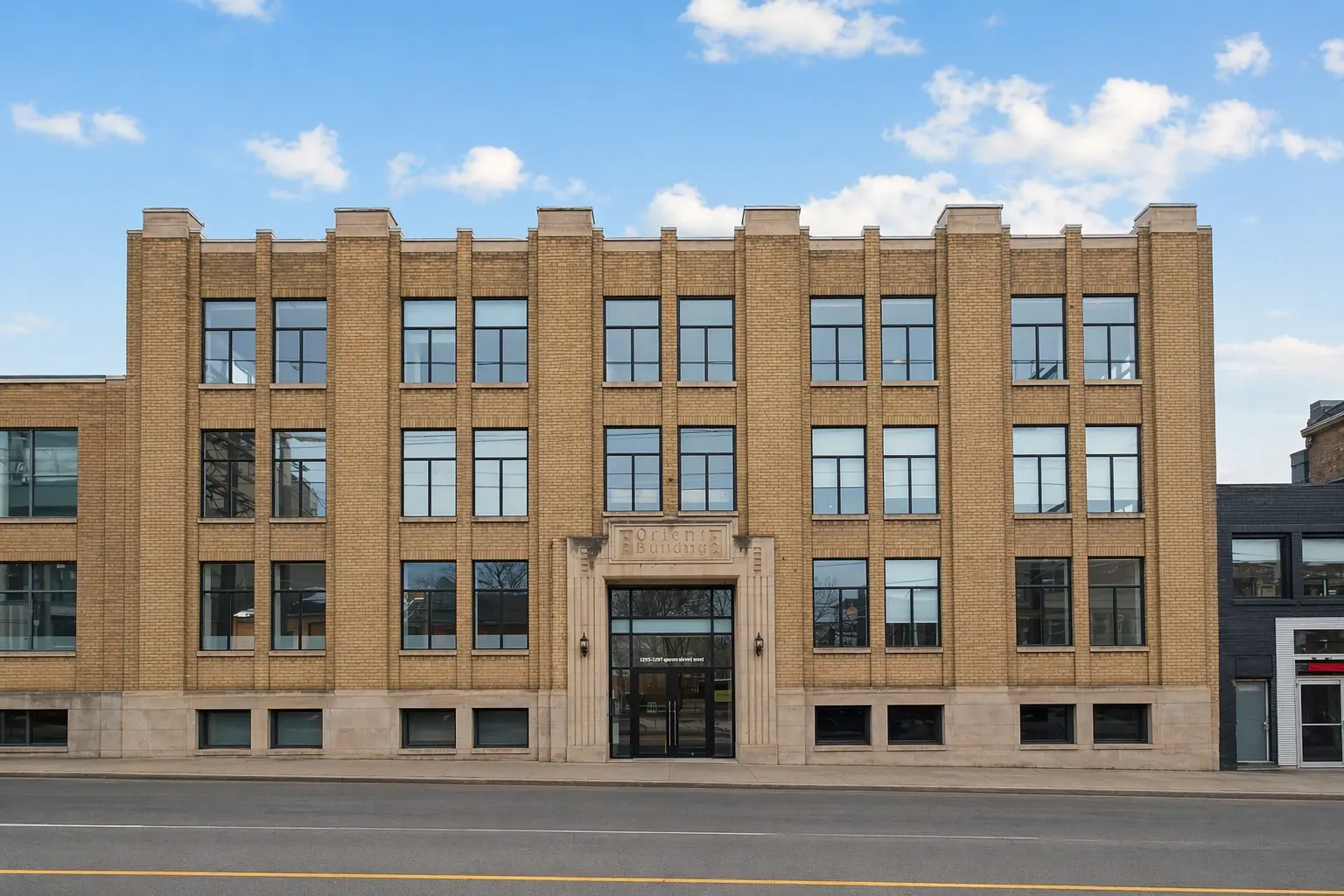
The Orient Building
183 Bathurst Street, Toronto
The Orient Building
183 Bathurst Street, Toronto
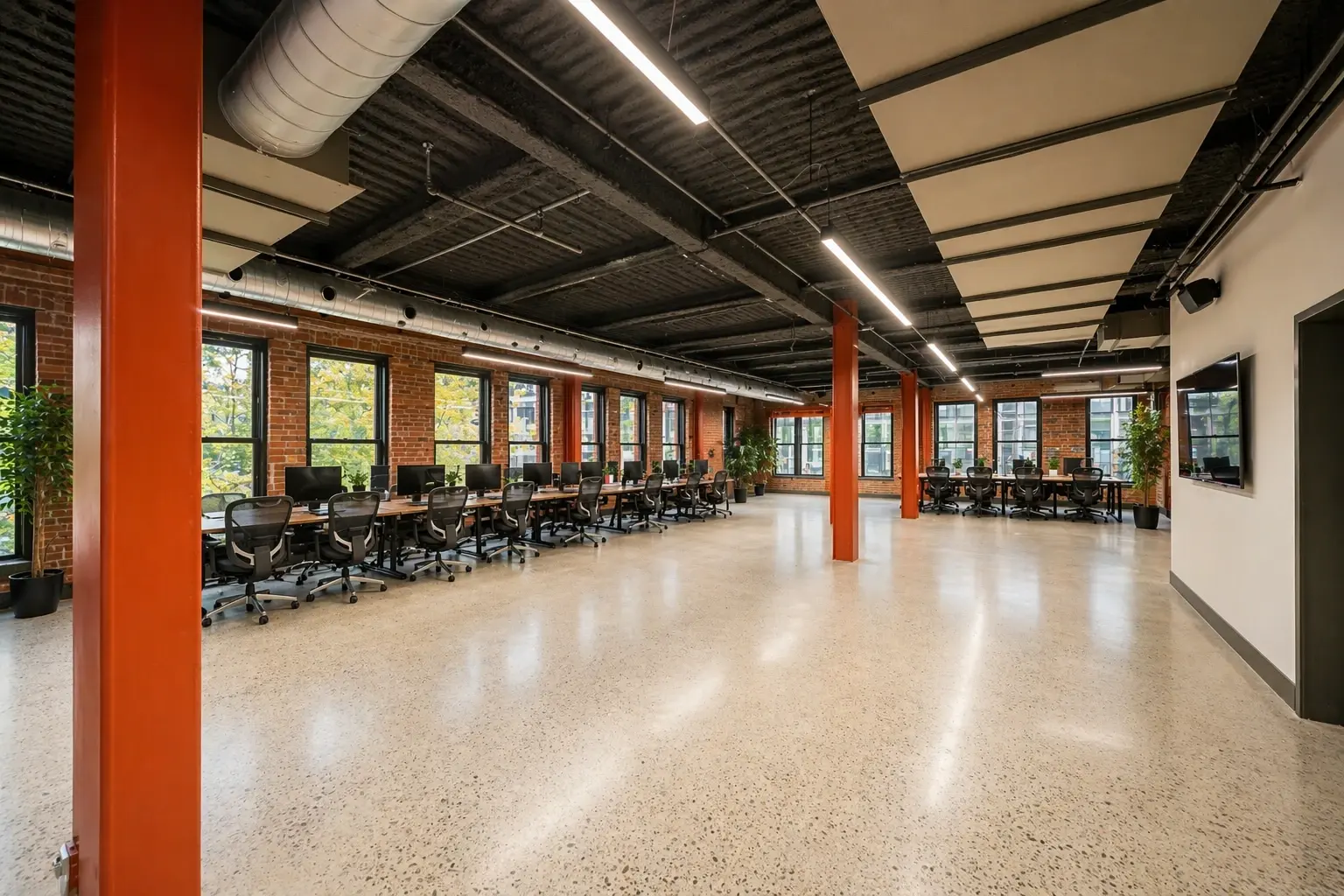
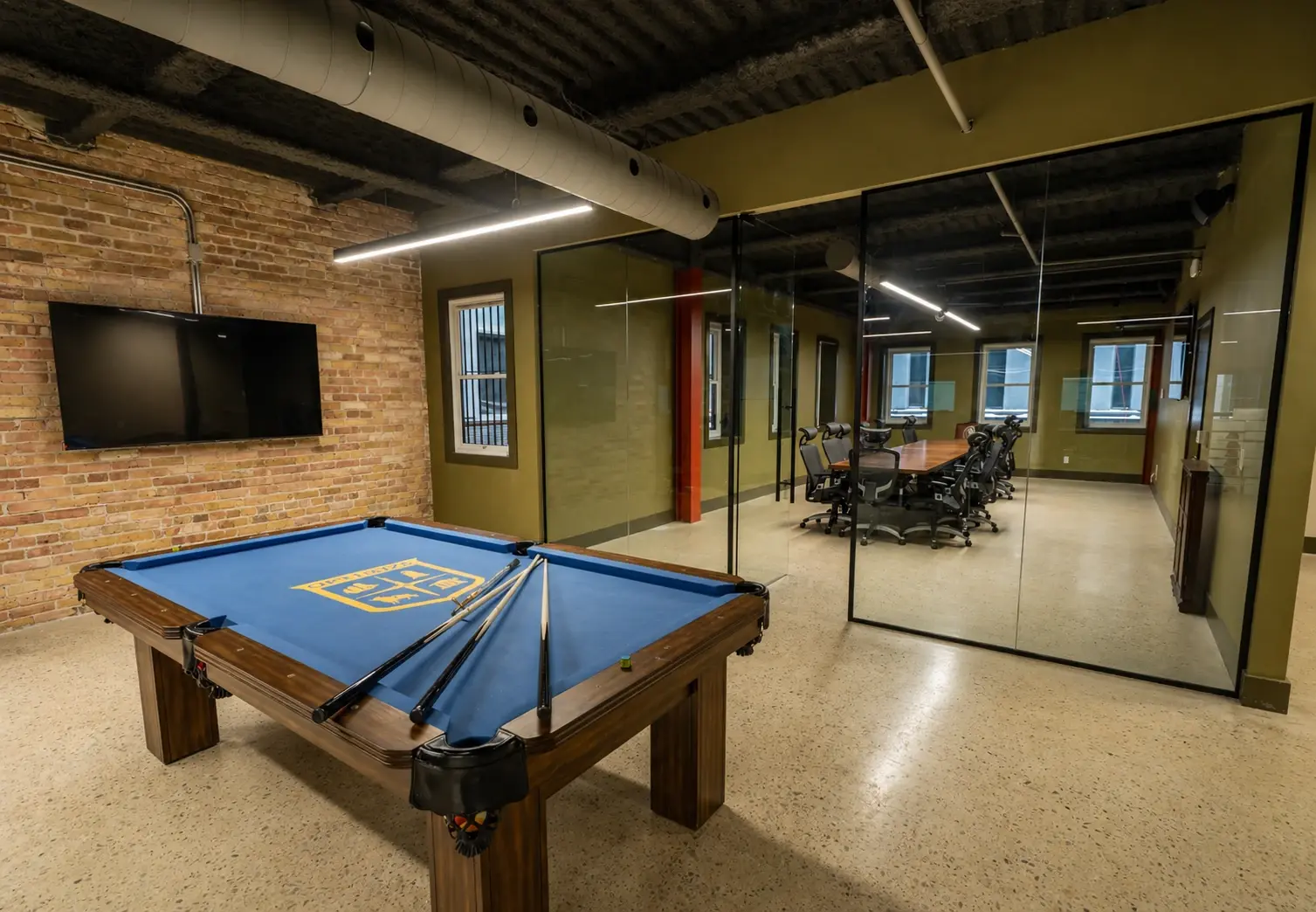
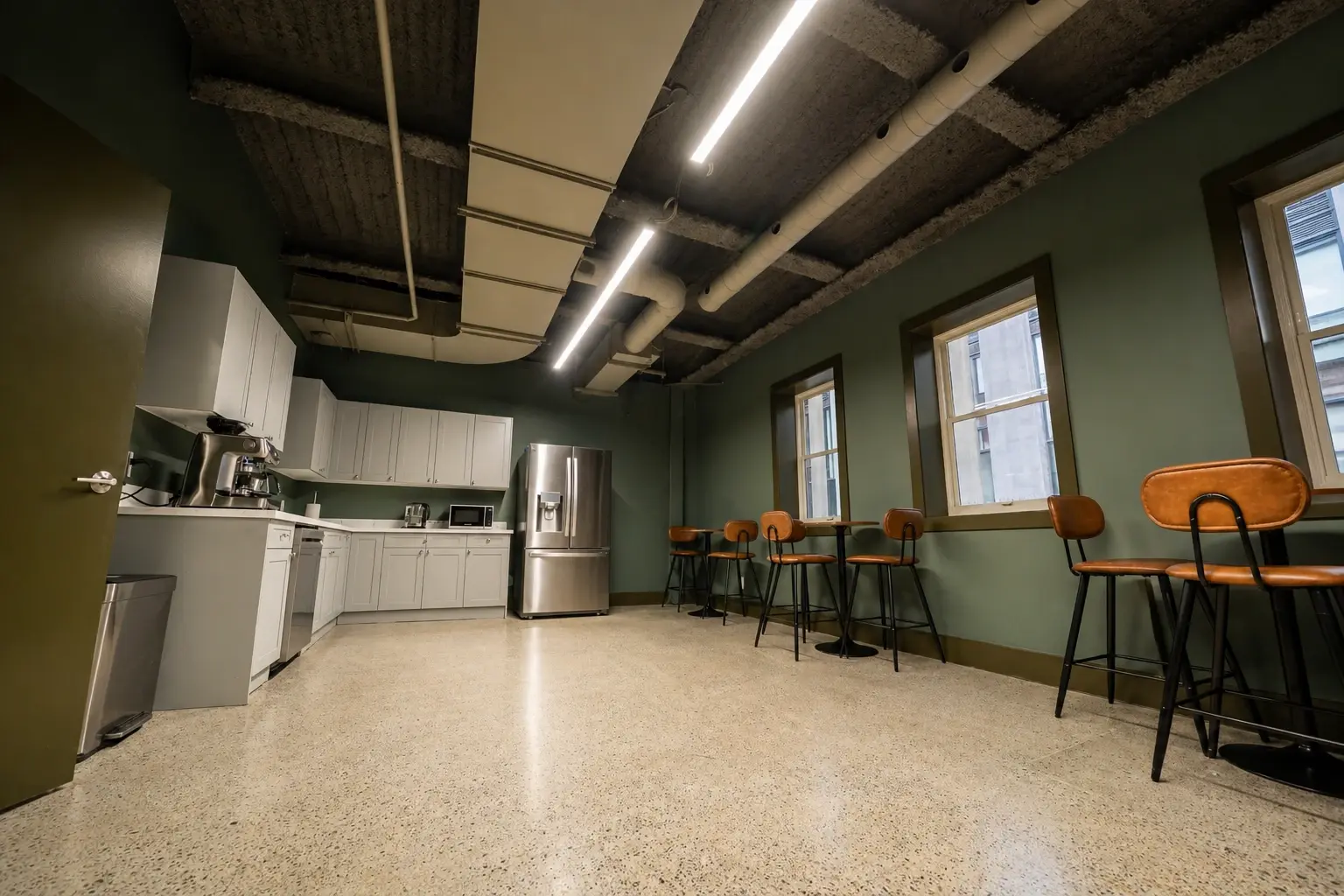
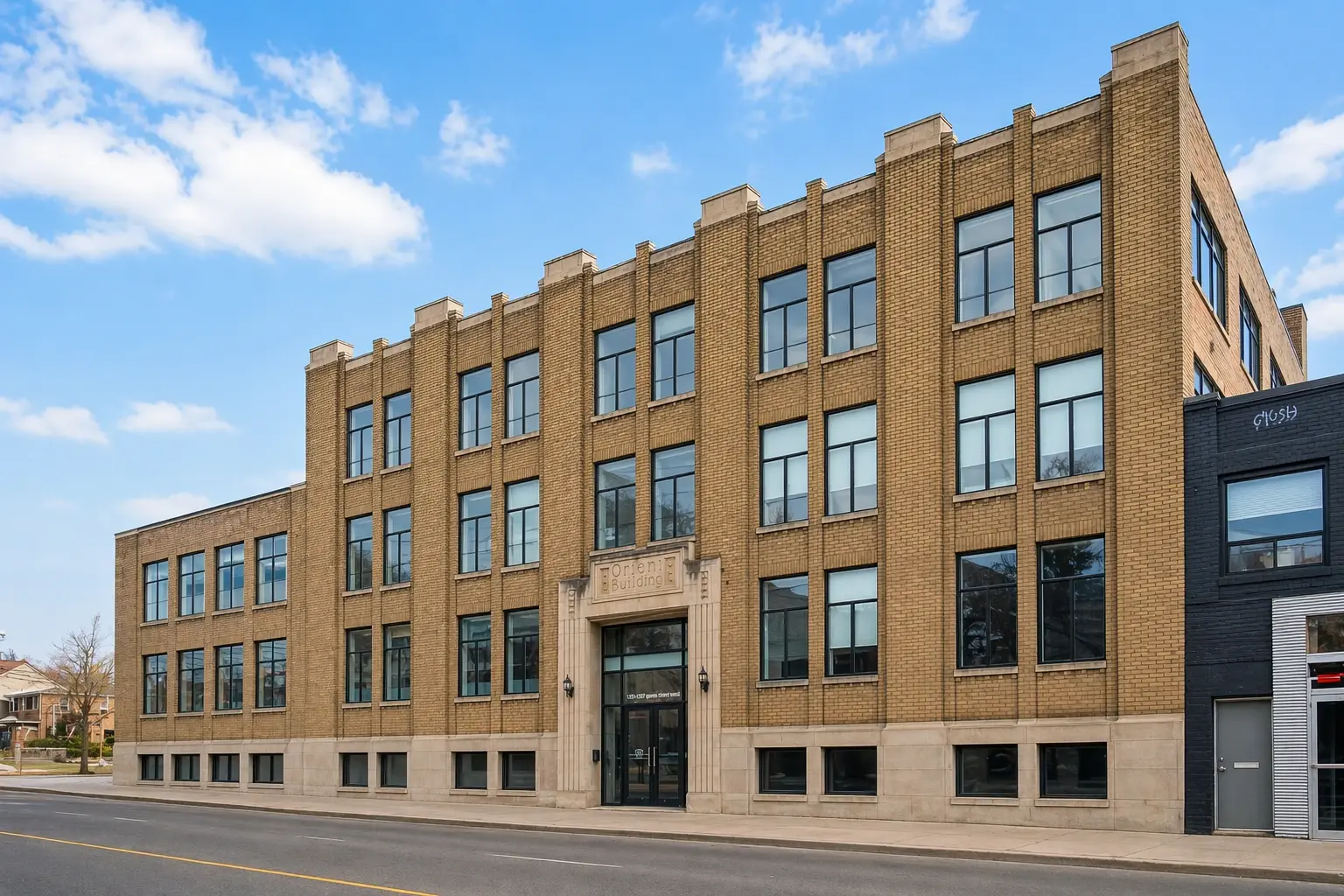
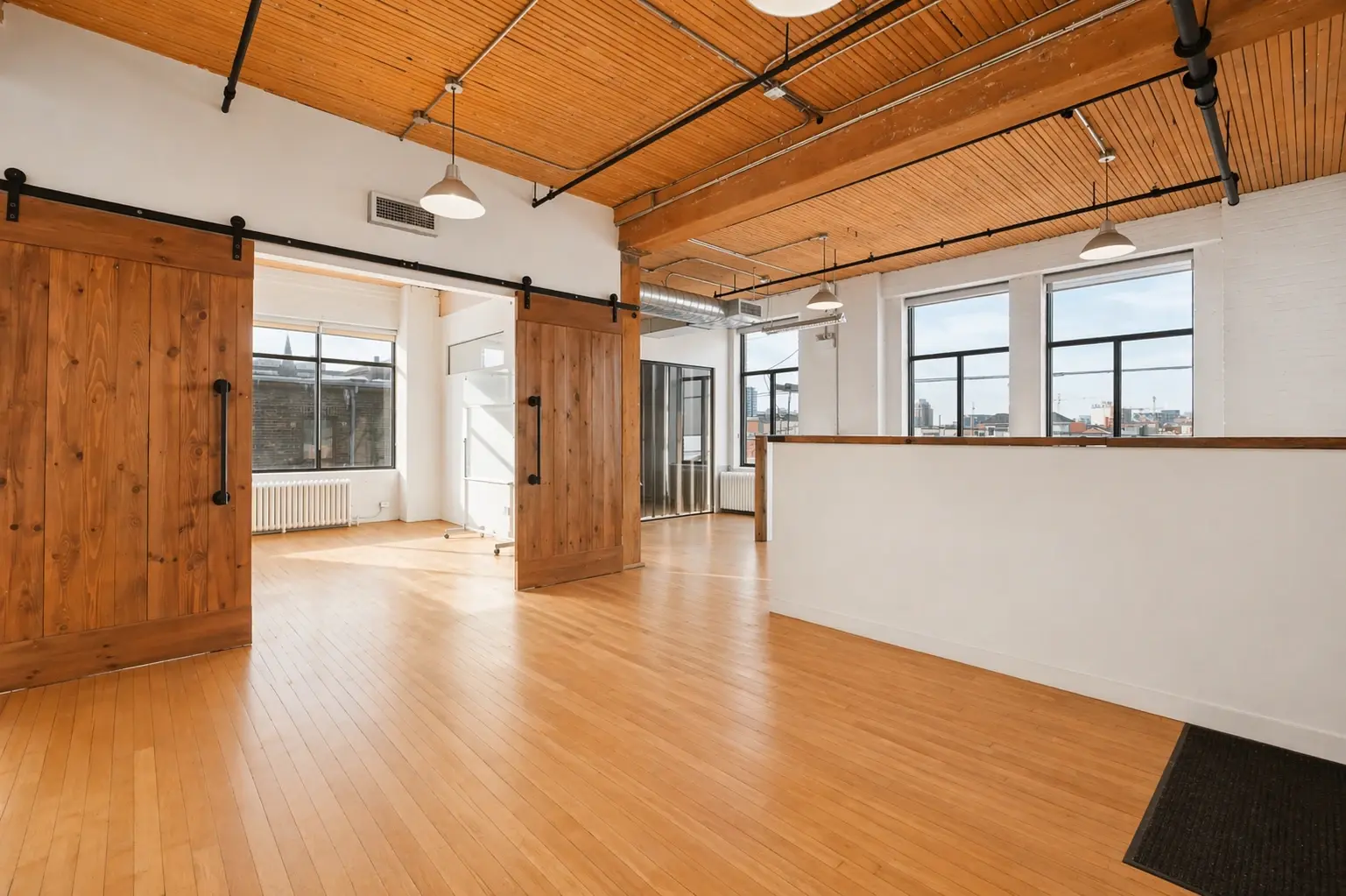
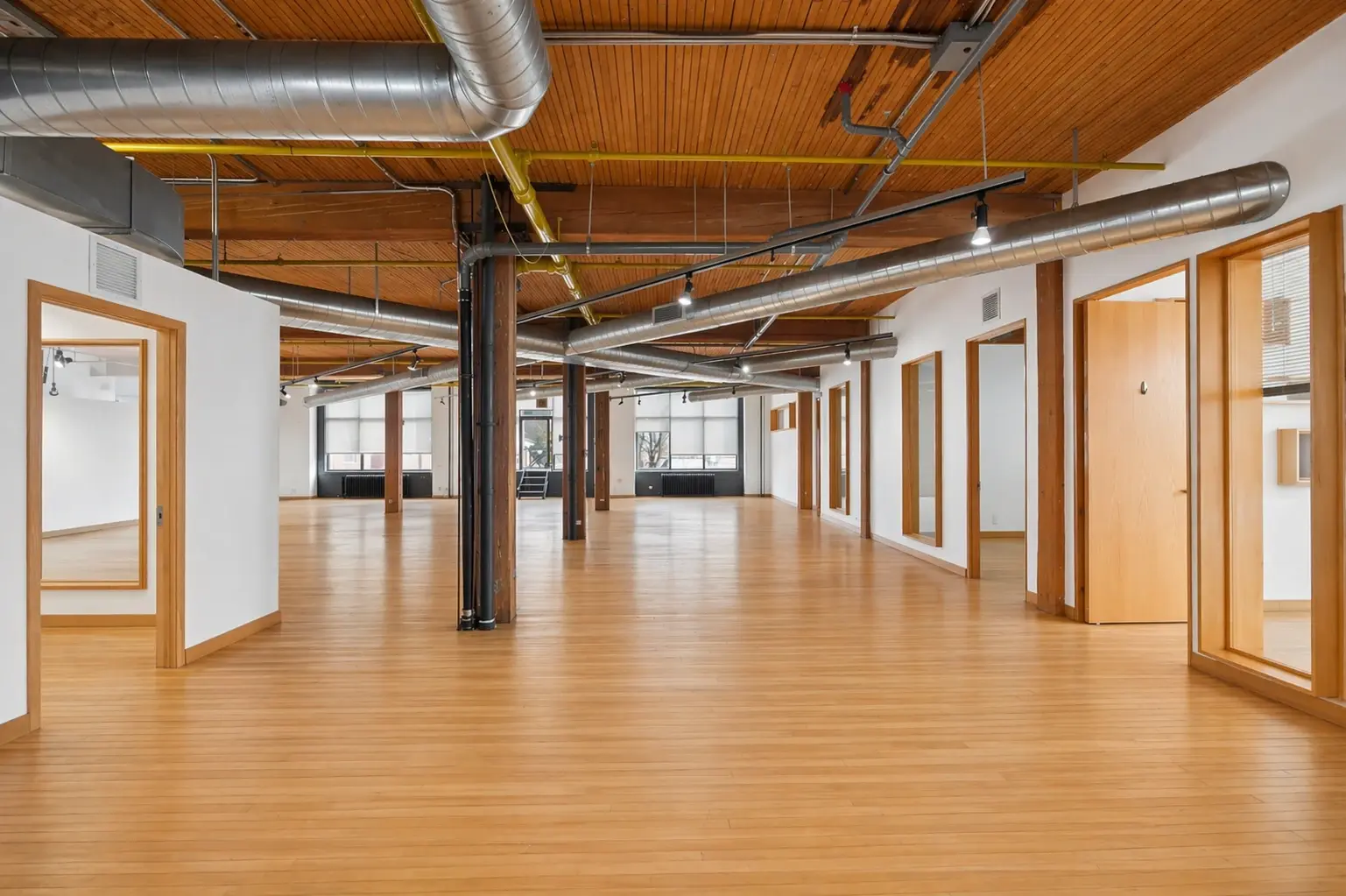
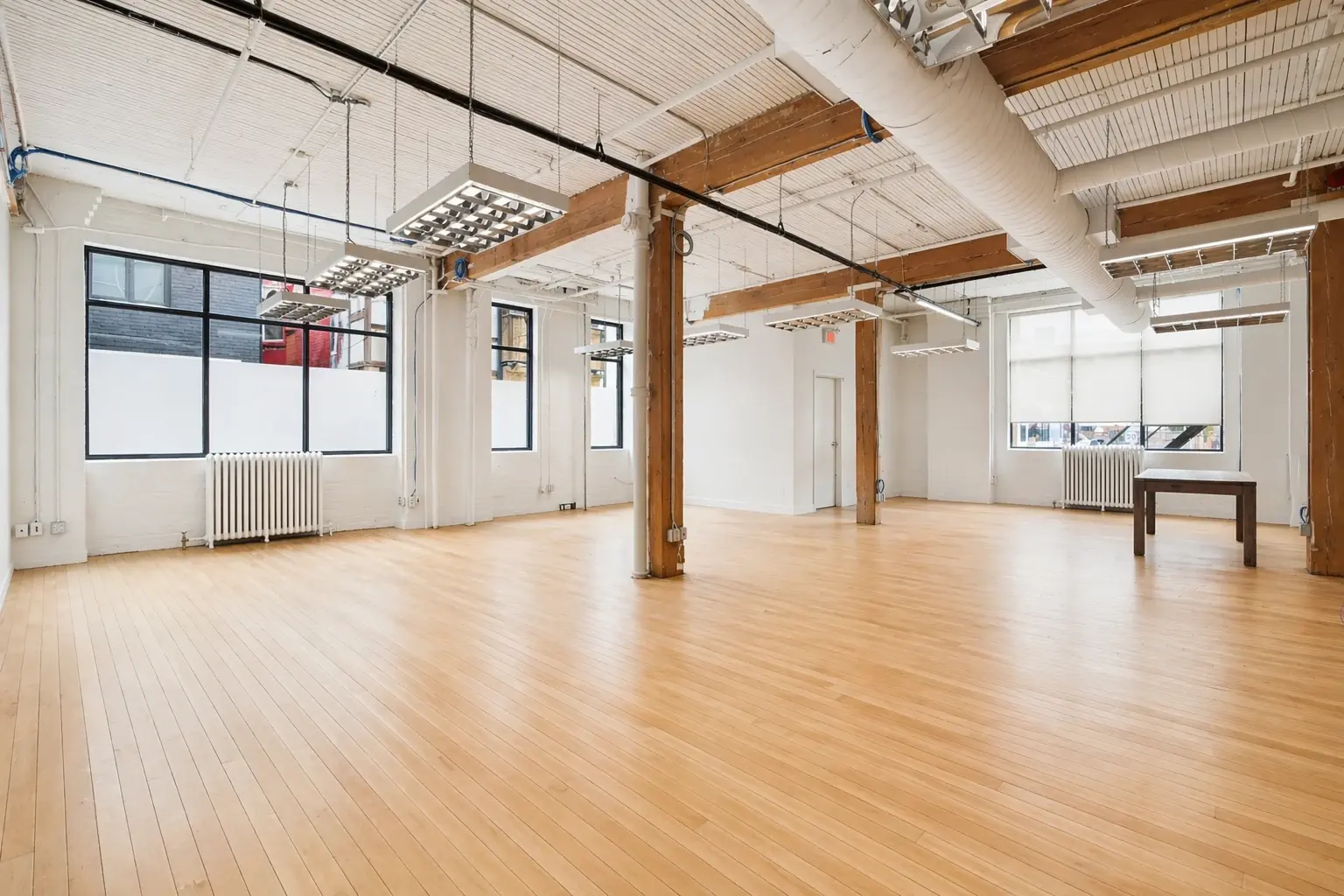
183 Bathurst Street is a handsome Edwardian-era commercial building located in the heart of one of Toronto's most dynamic neighbourhoods. The three-storey brick structure features classical proportions, large display windows, and period masonry detailing that reflect the commercial ambitions of early 20th-century Toronto. Situated steps from Queen Street West, Trinity Bellwoods Park, and some of the city's most celebrated independent businesses, the building offers exceptional visibility and foot traffic in a neighbourhood defined by creativity and culture.
Key Features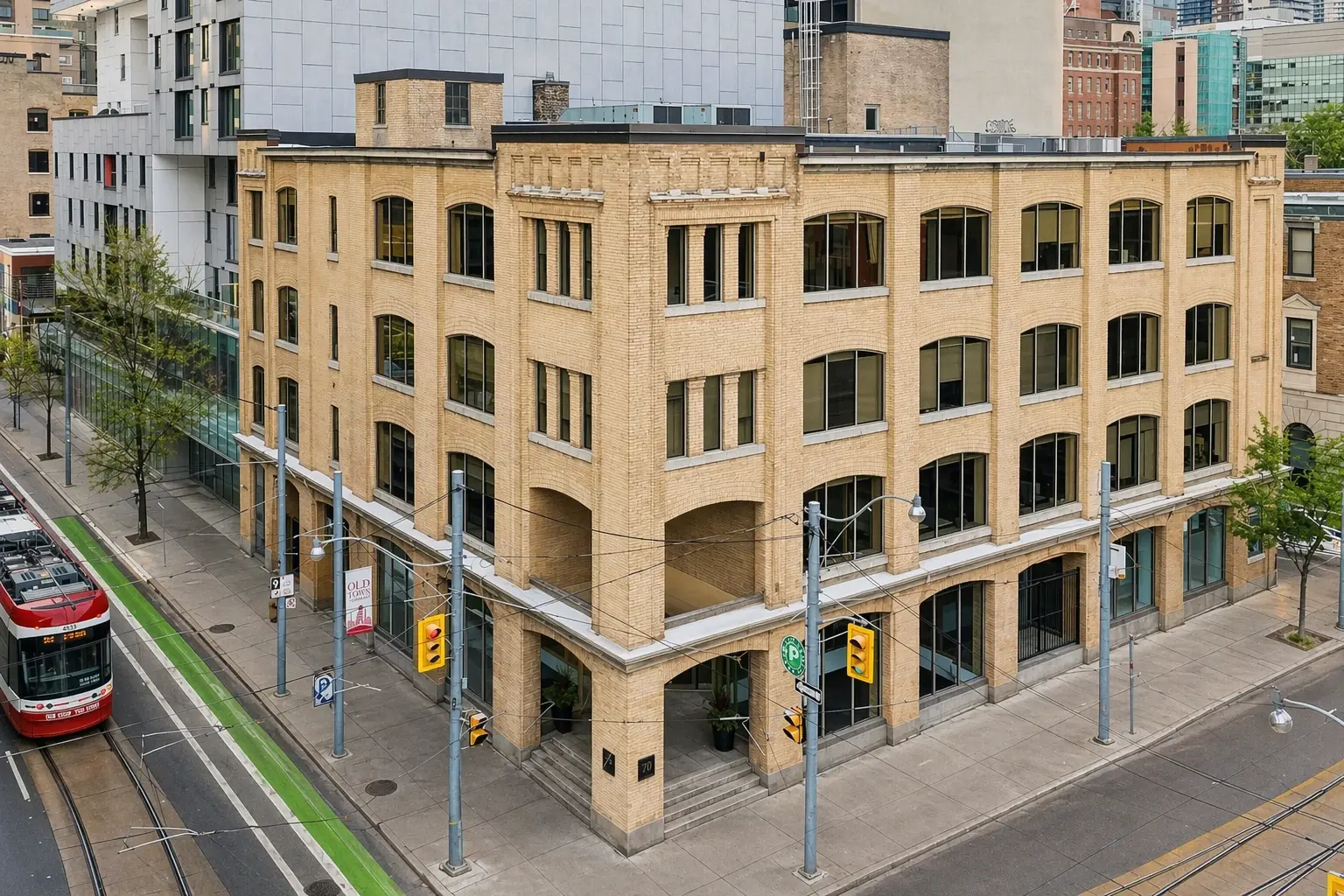
The Duchess
70 Richmond Street East, Toronto
The Duchess
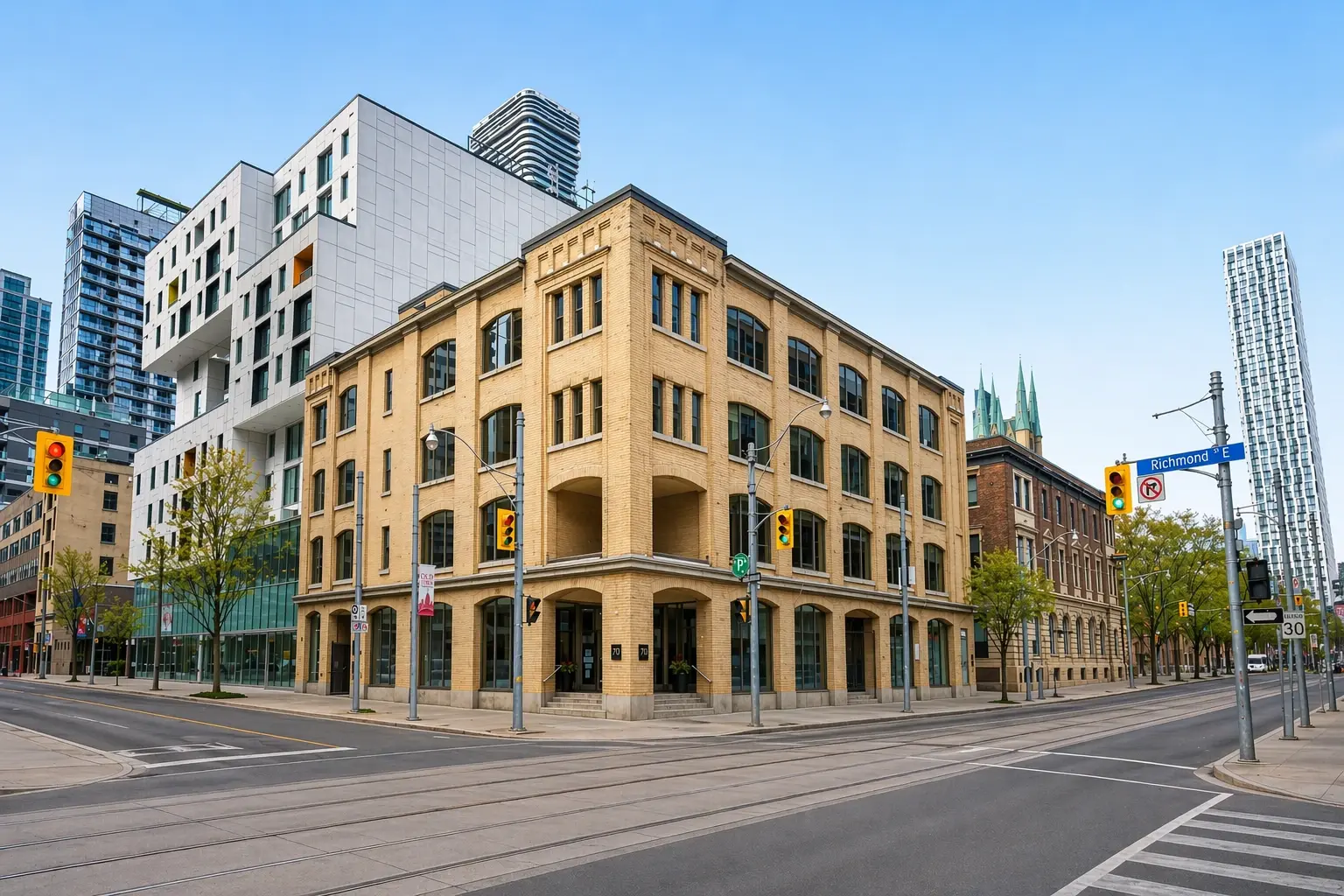
70 Richmond Street East, Toronto
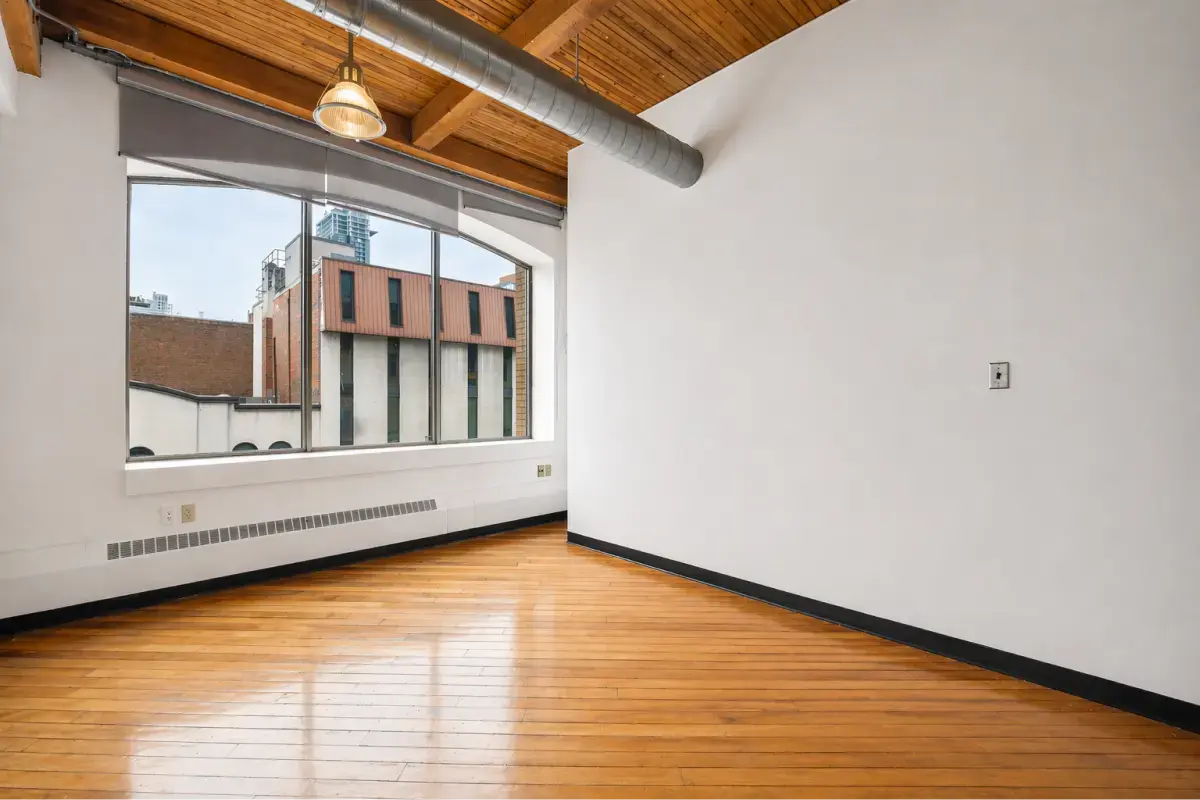
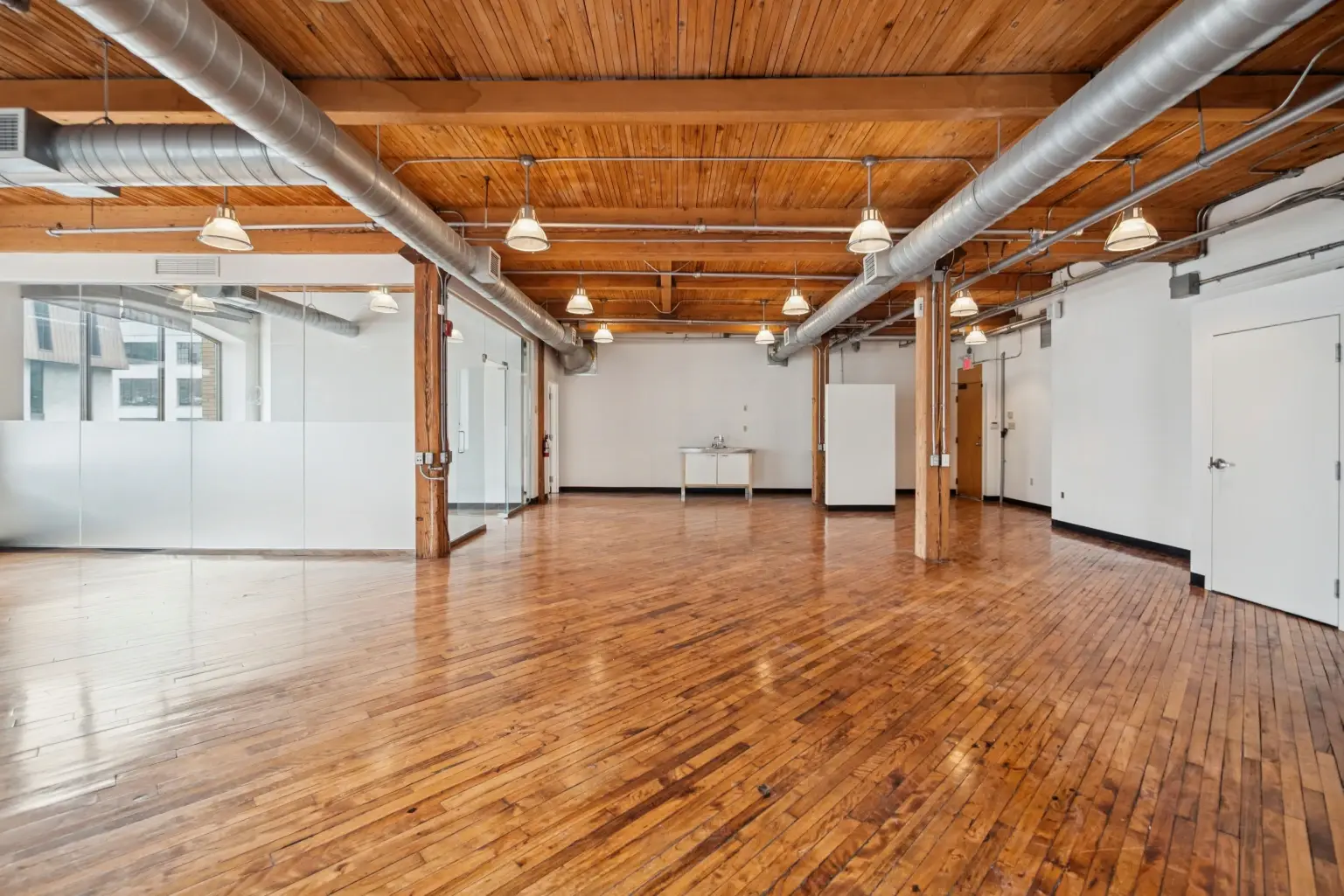
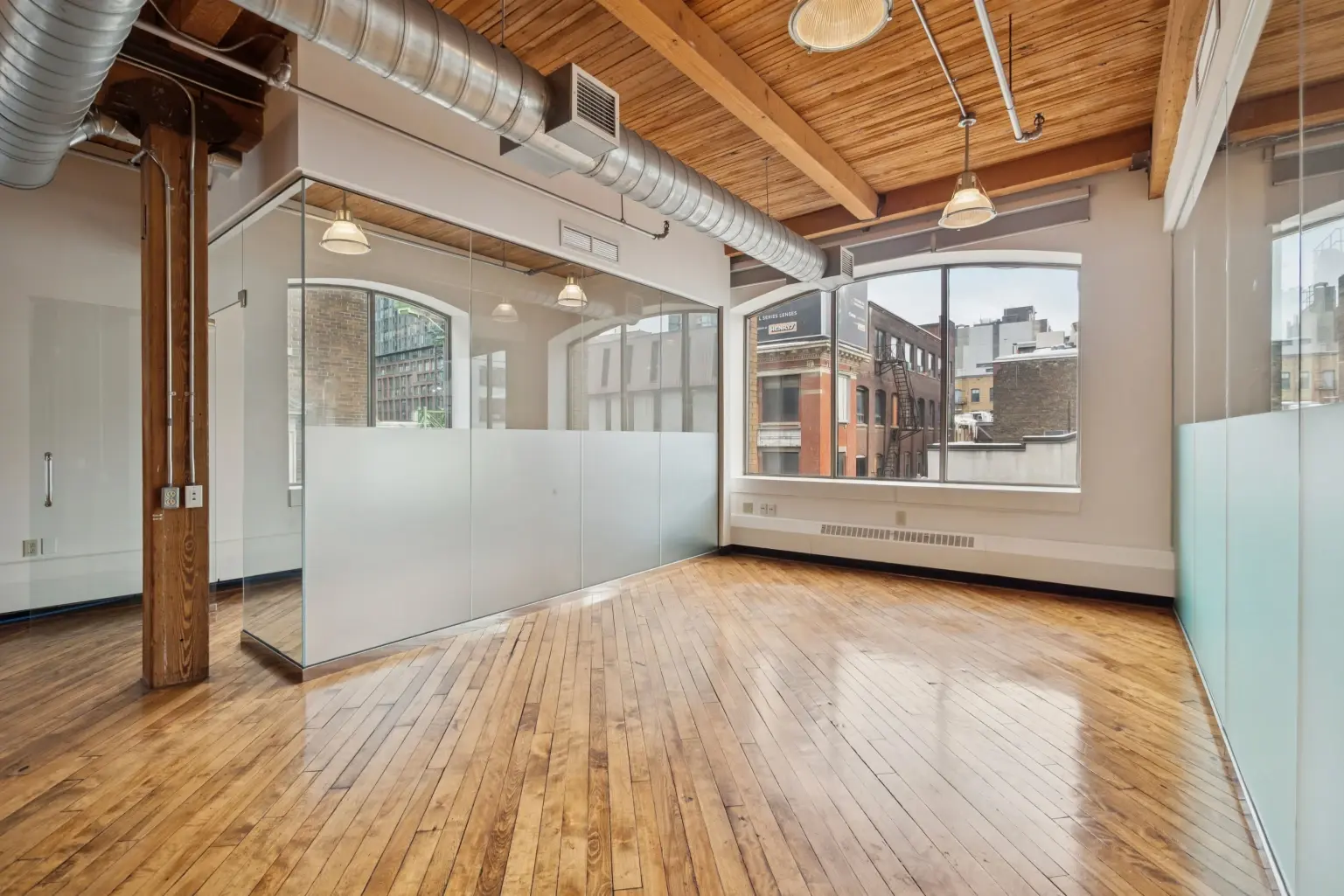
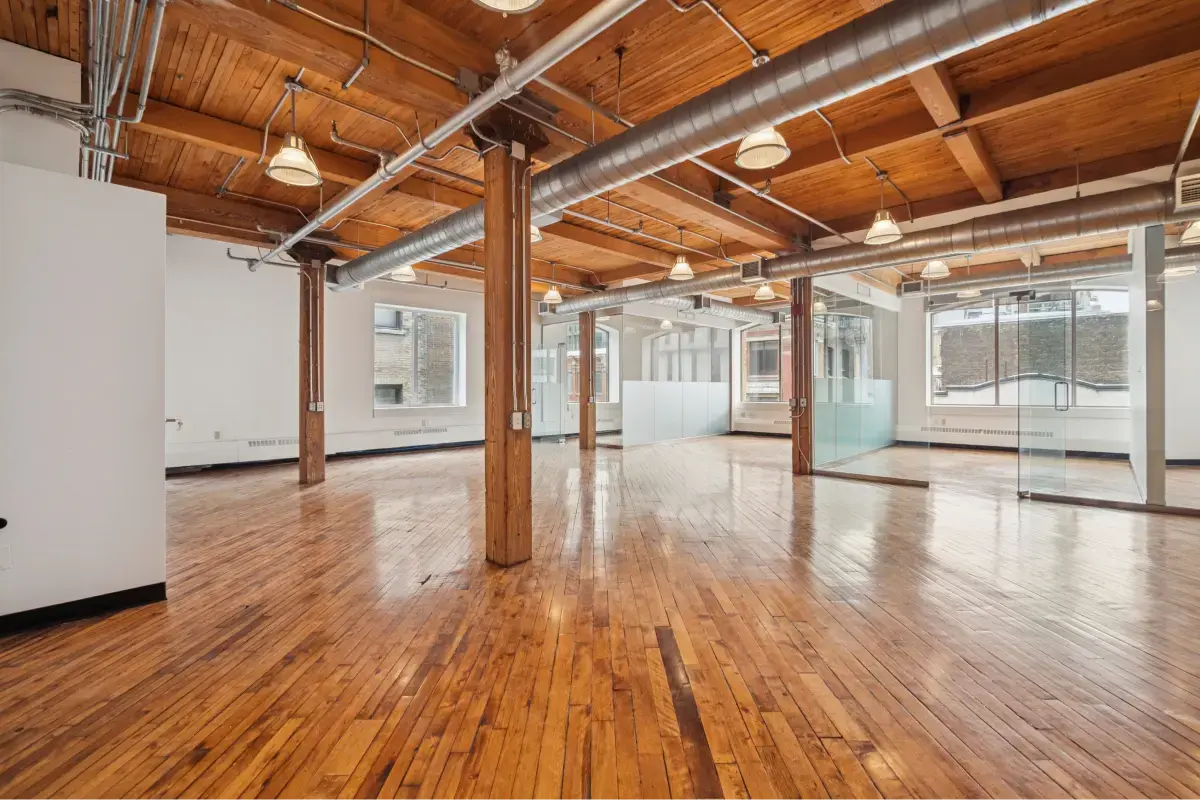
70 Richmond Street East is a distinguished Edwardian warehouse building in Toronto's Garden District, one of the city's oldest and most historically layered neighbourhoods. The four-storey brick and beam structure features generous floor plates, soaring ceilings, and abundant natural light — hallmarks of early 20th-century industrial architecture that are highly sought after by modern tenants. Its location places it within walking distance of the Financial District, Yonge Street corridor, and the emerging East Downtown tech and creative hub.
Key Features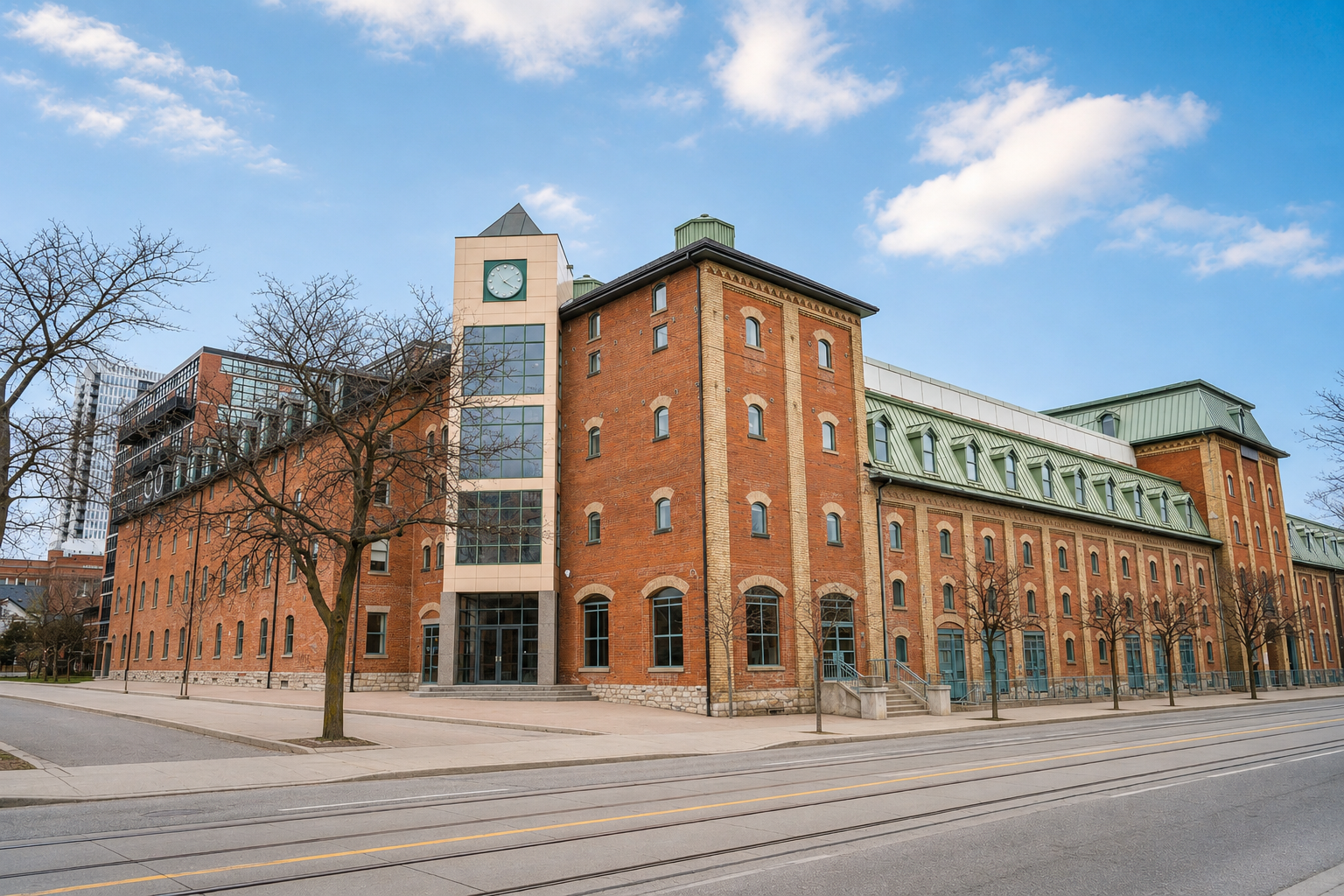
Dominion Square
468 & 478 Queen Street East, Toronto
Dominion Square
468 & 478 Queen Street East, Toronto
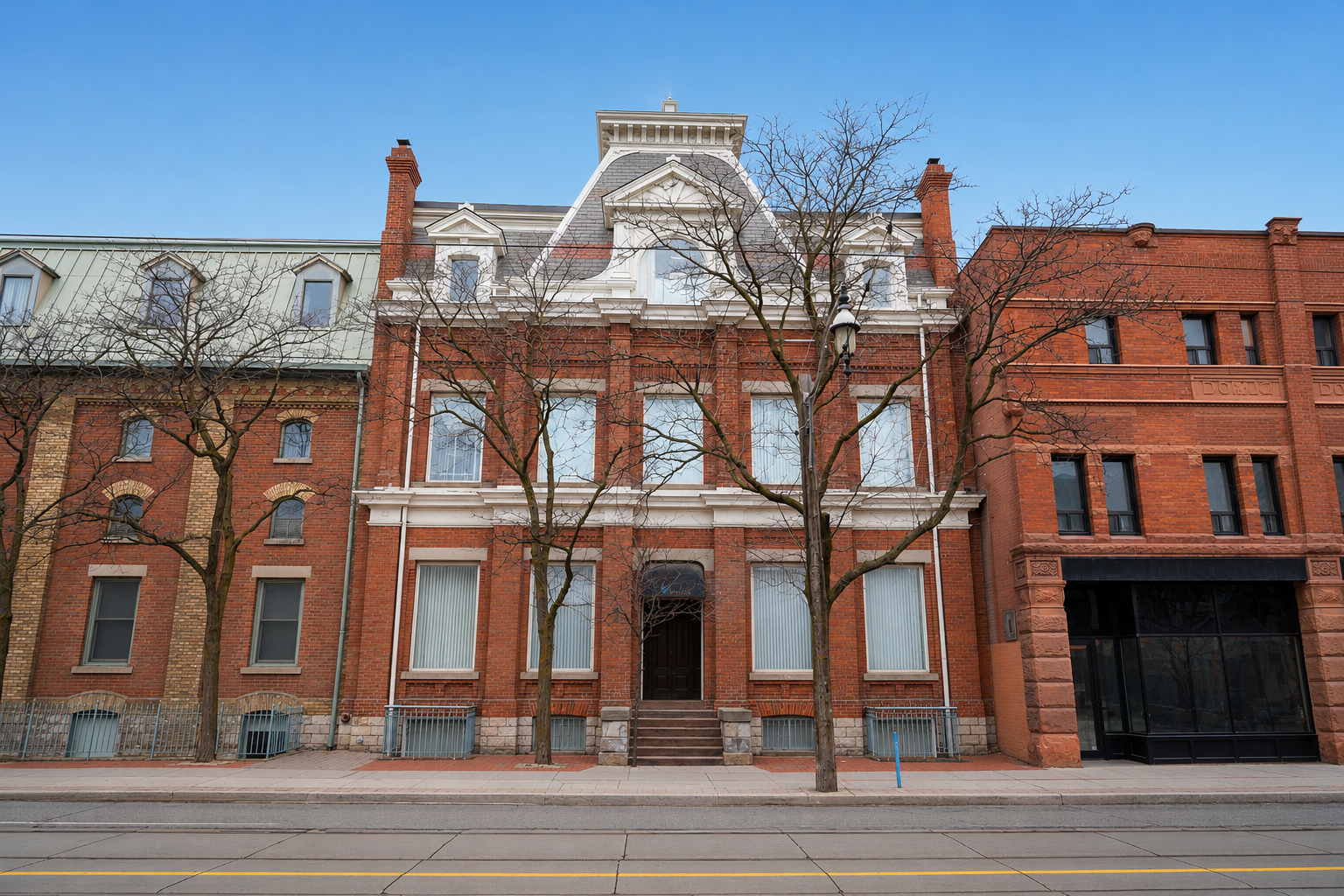
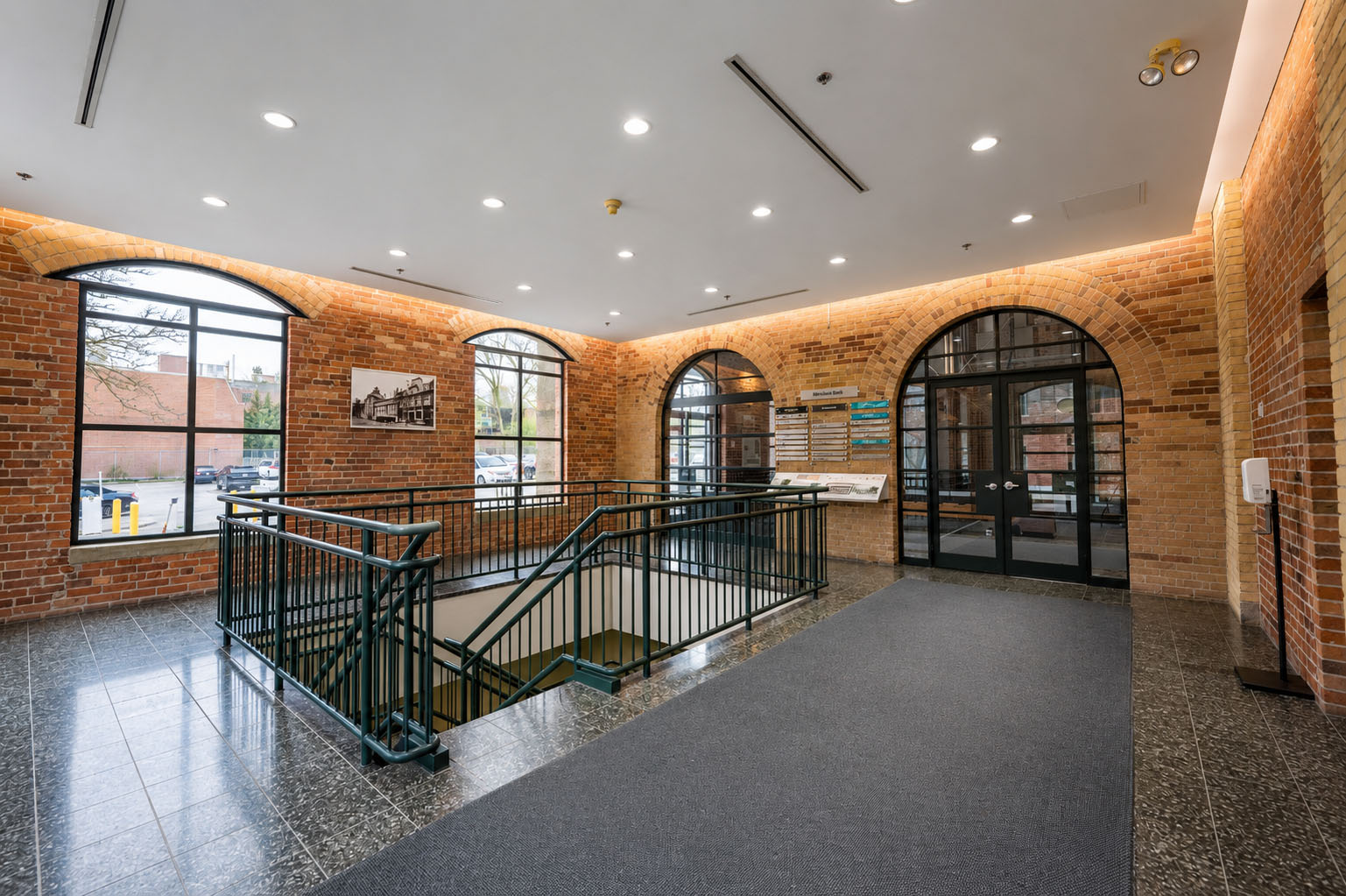
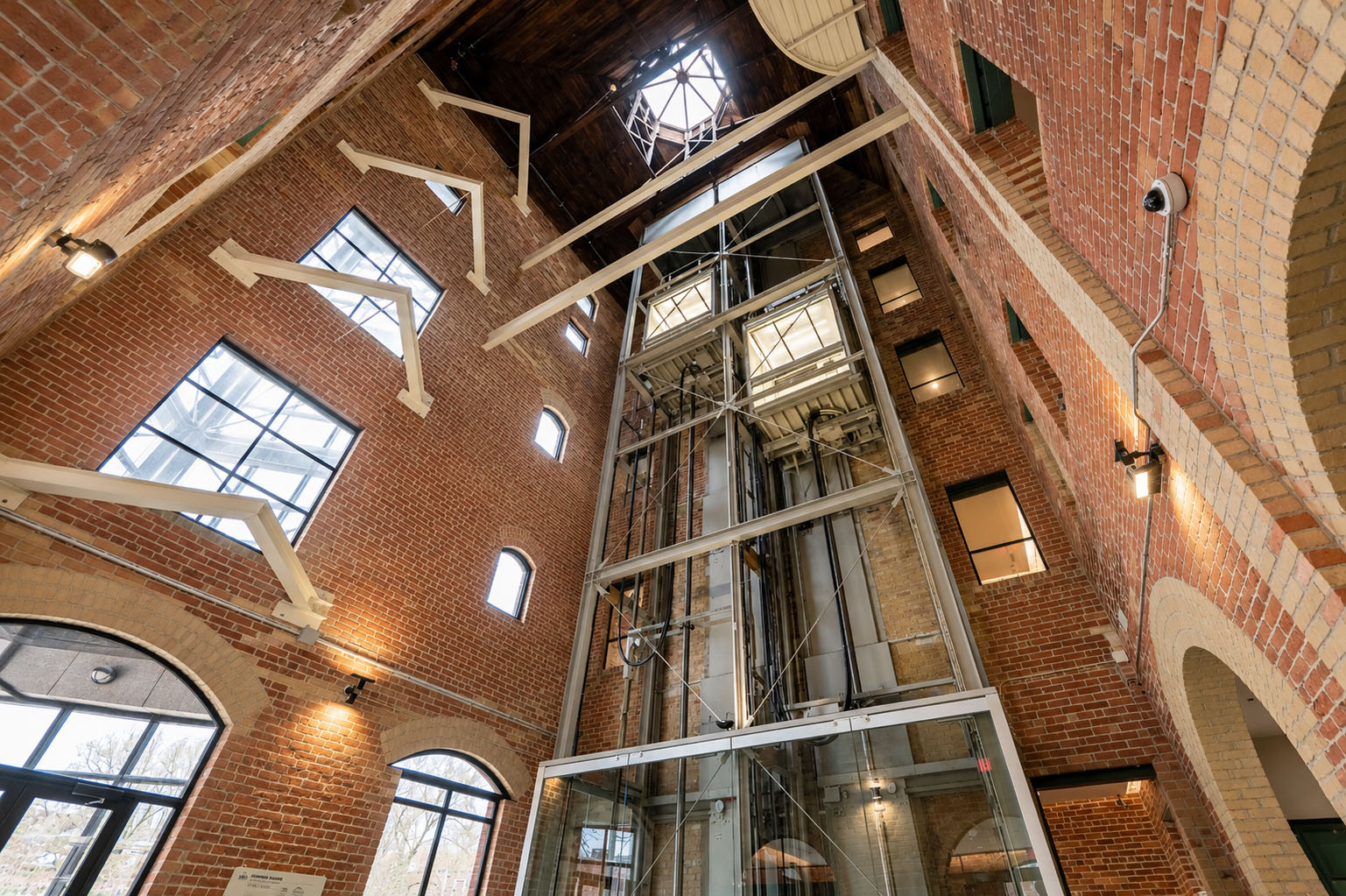
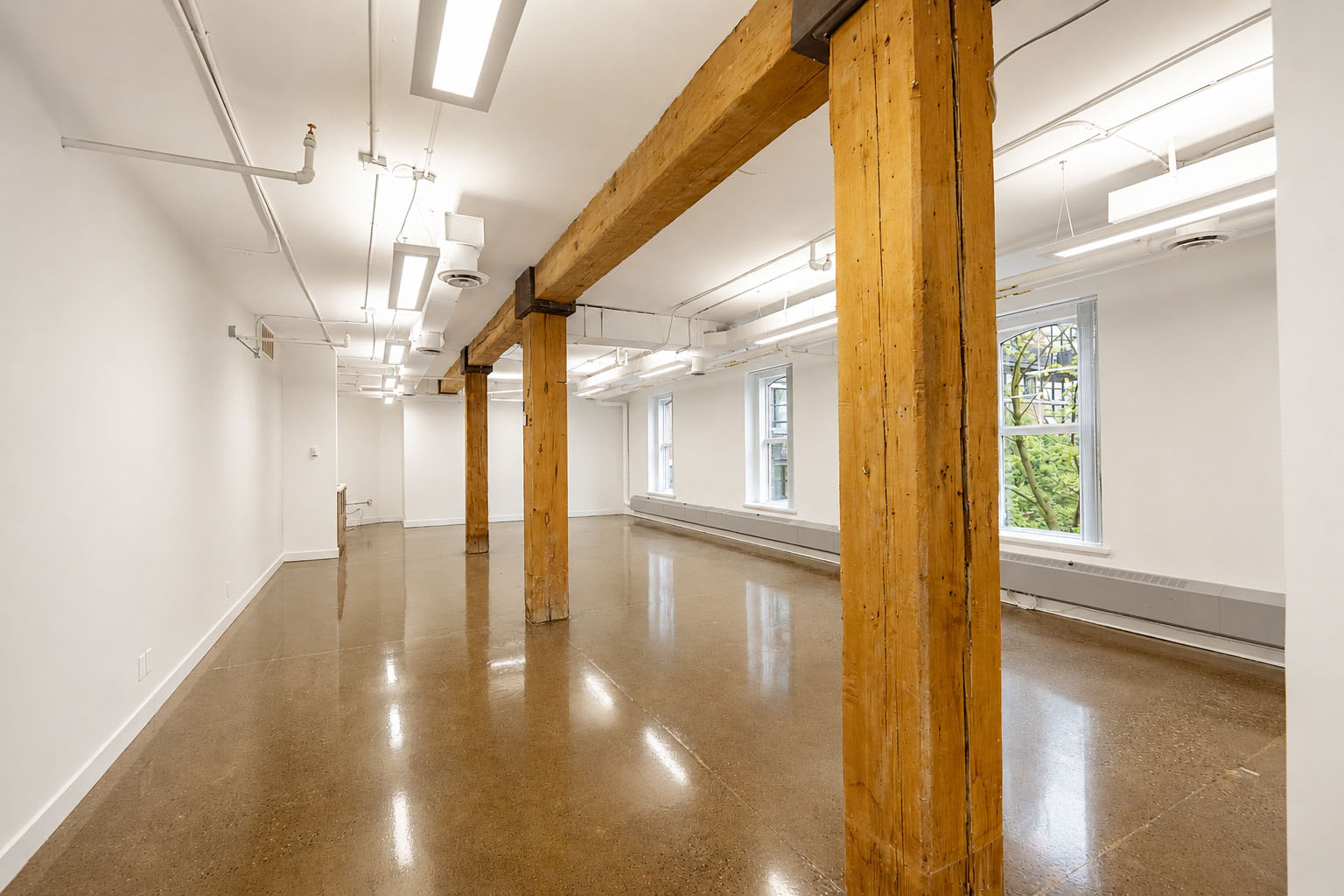
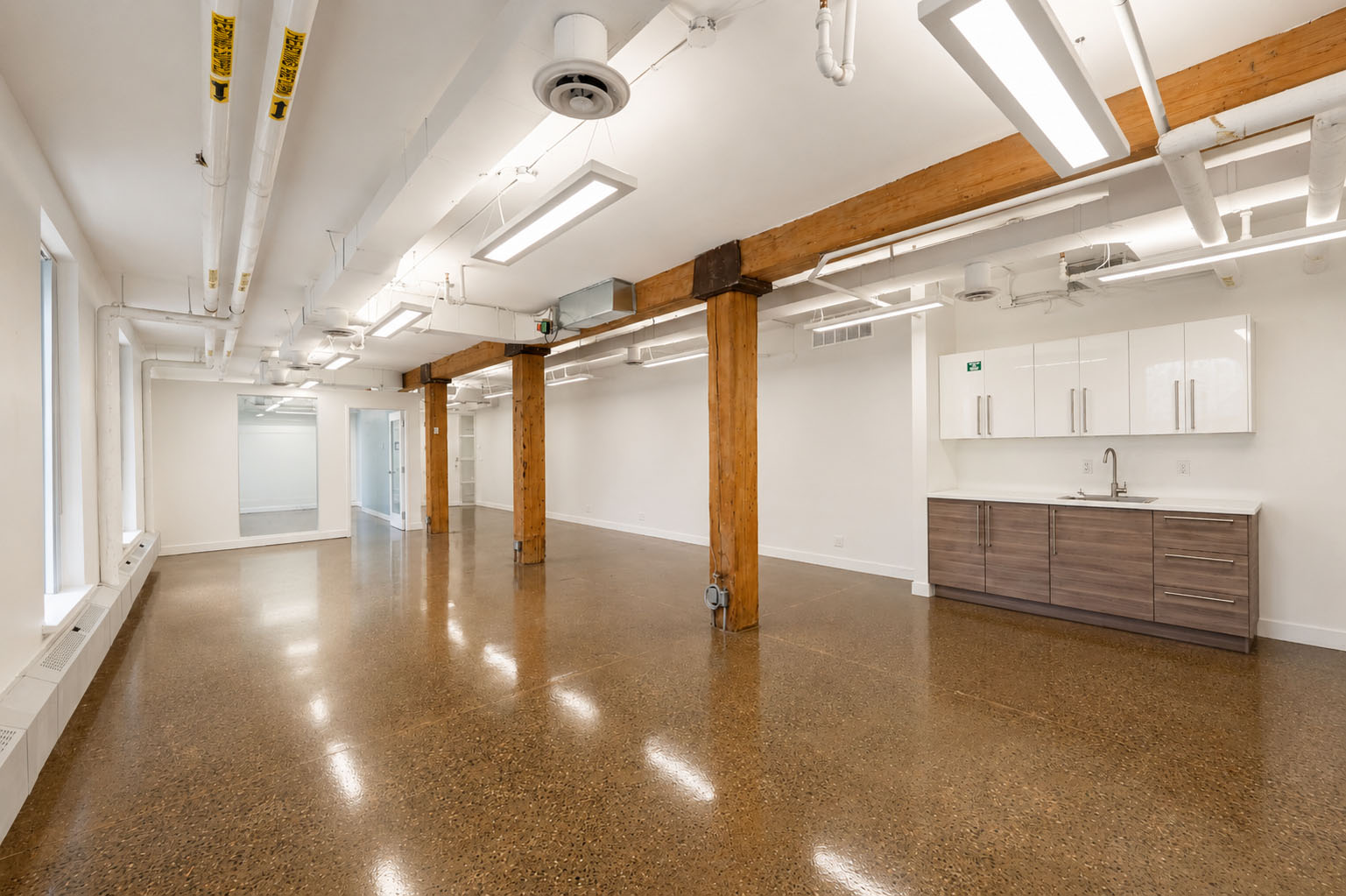
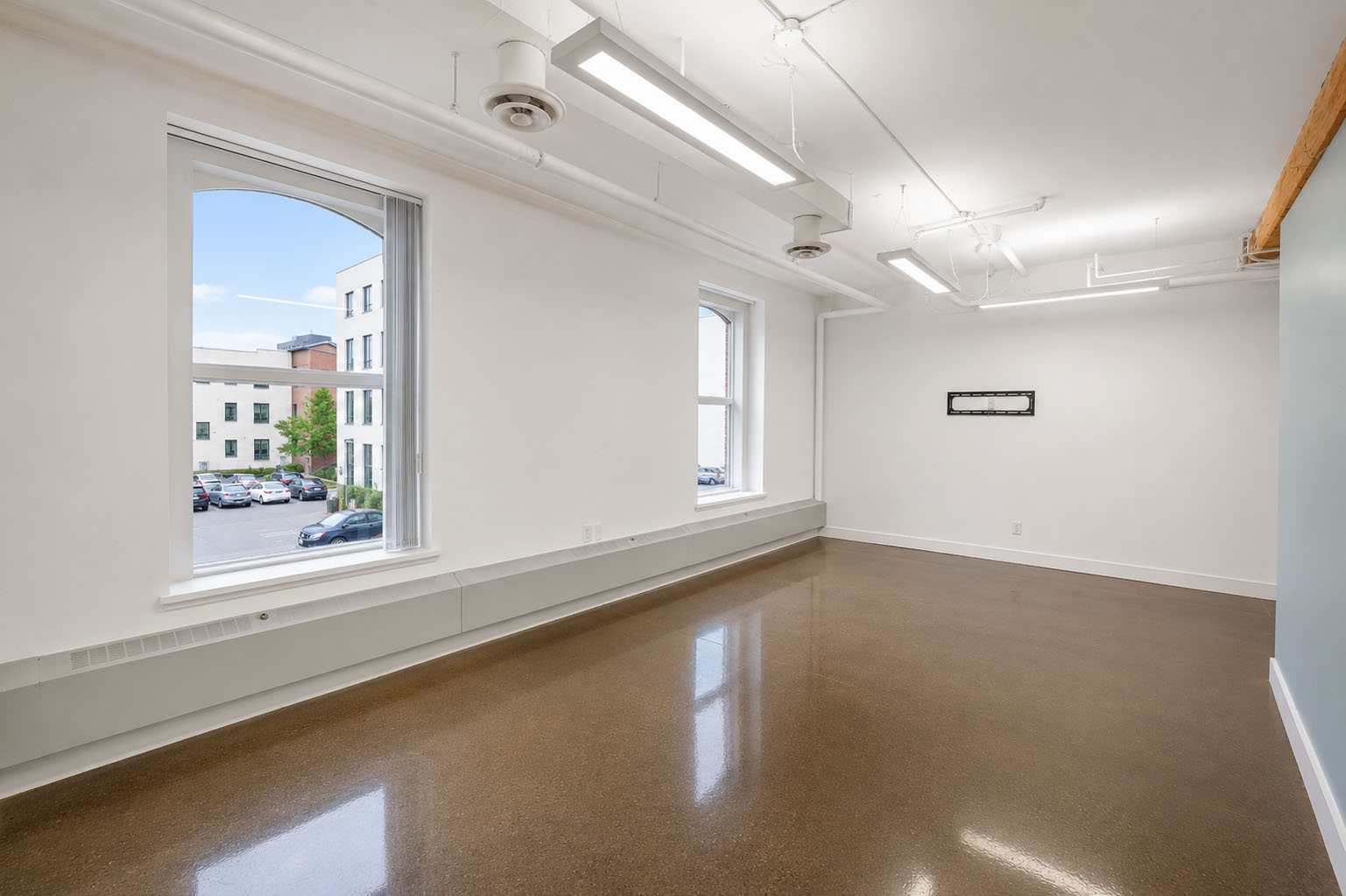
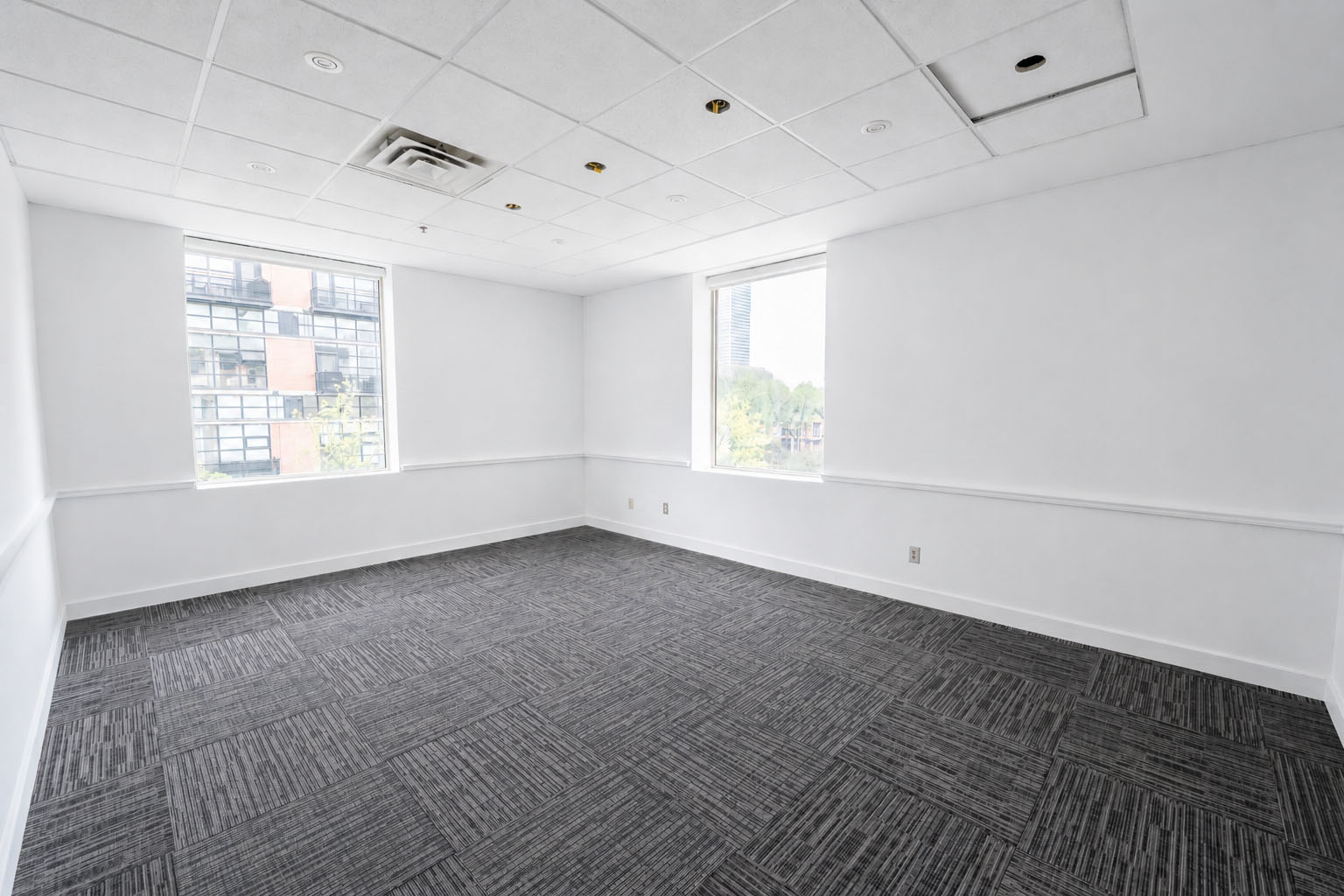
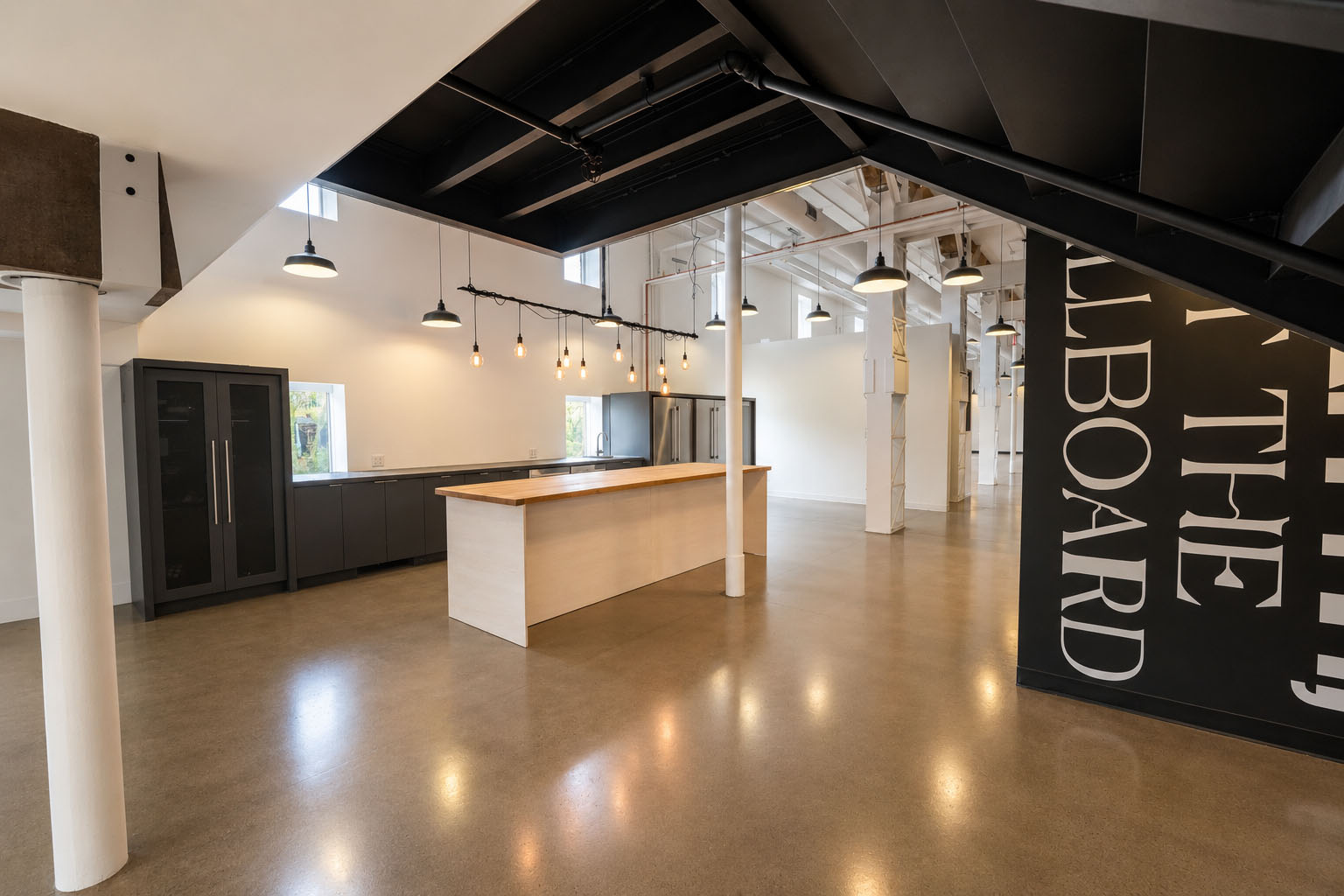
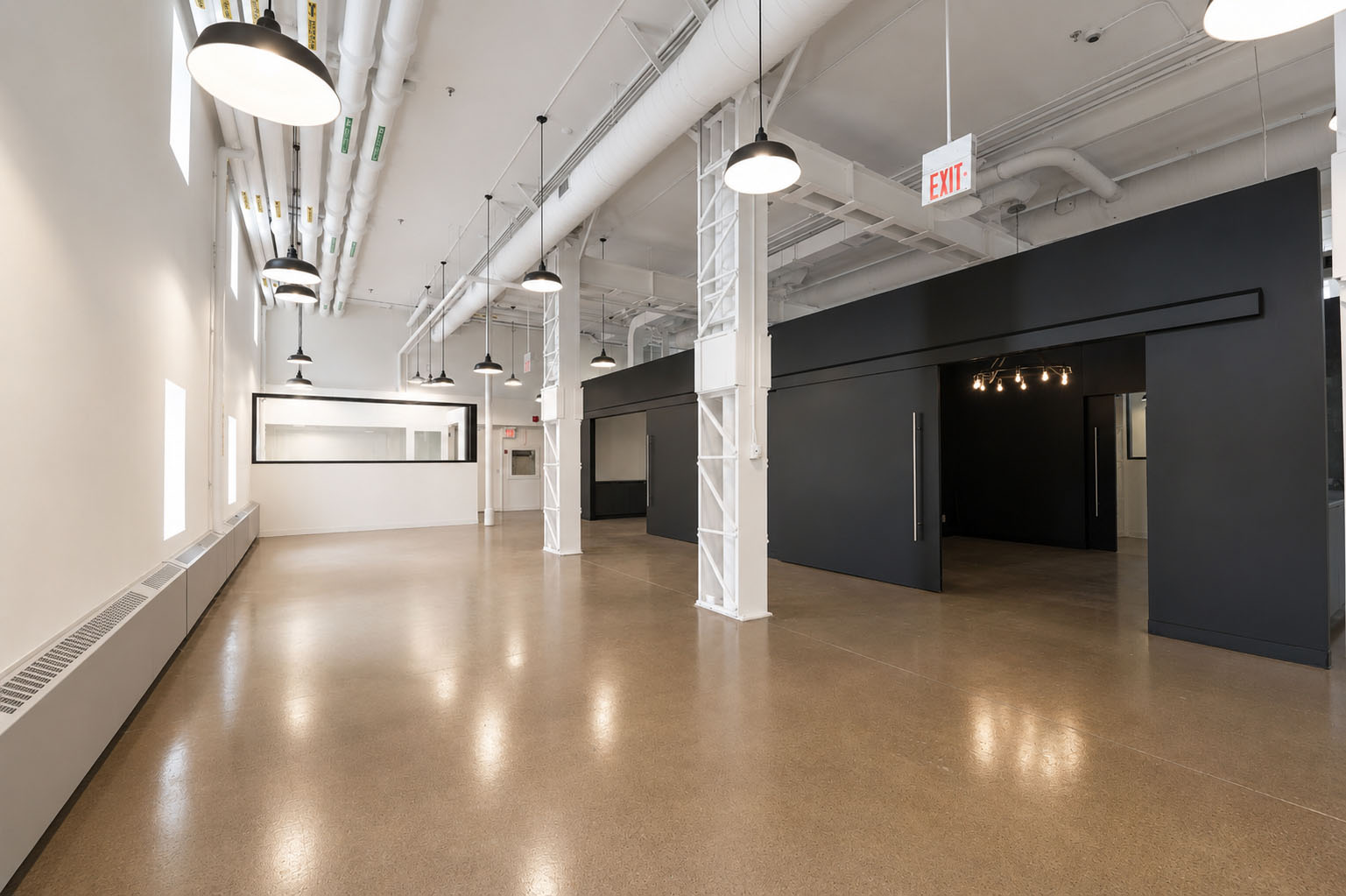
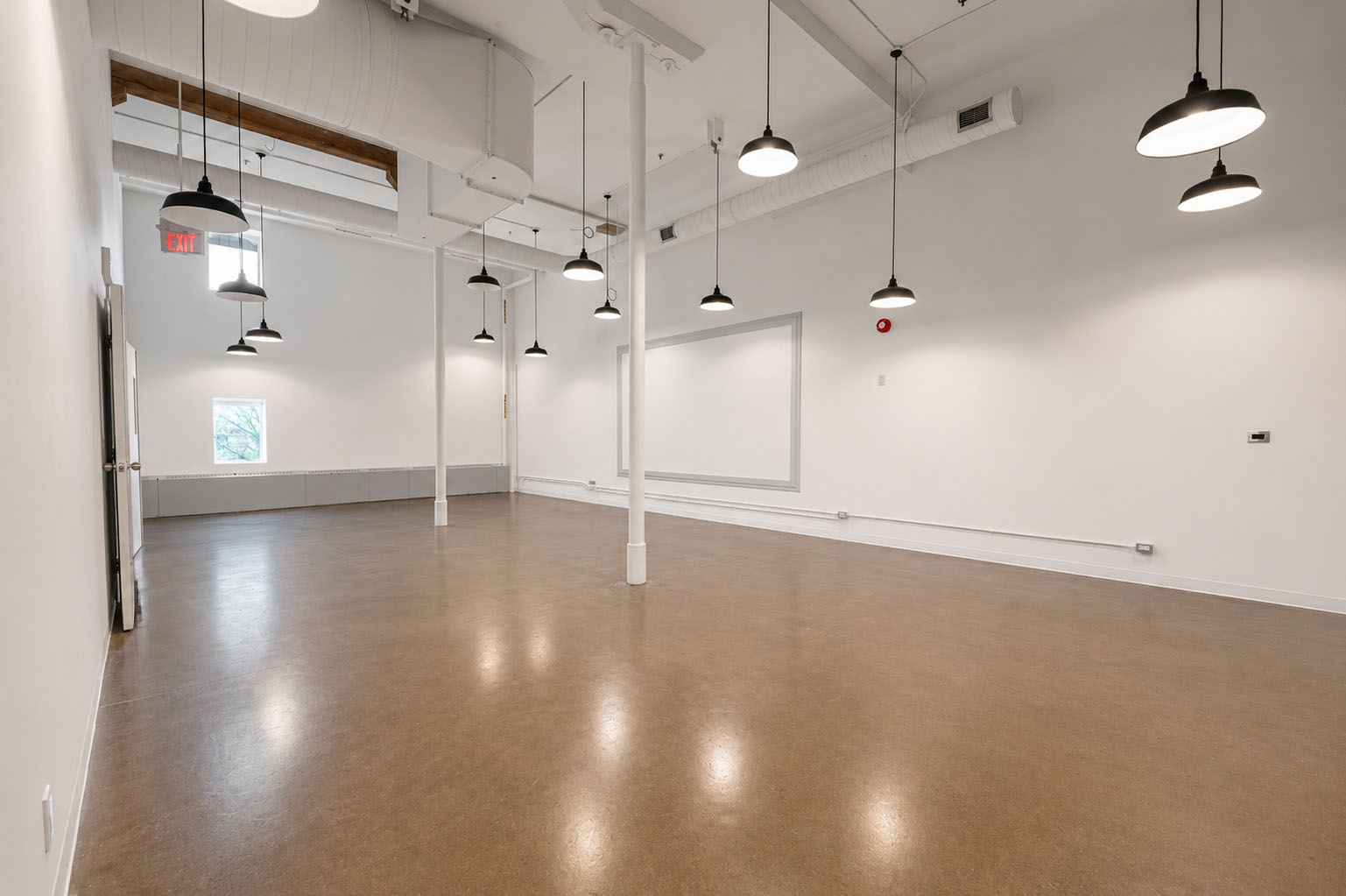
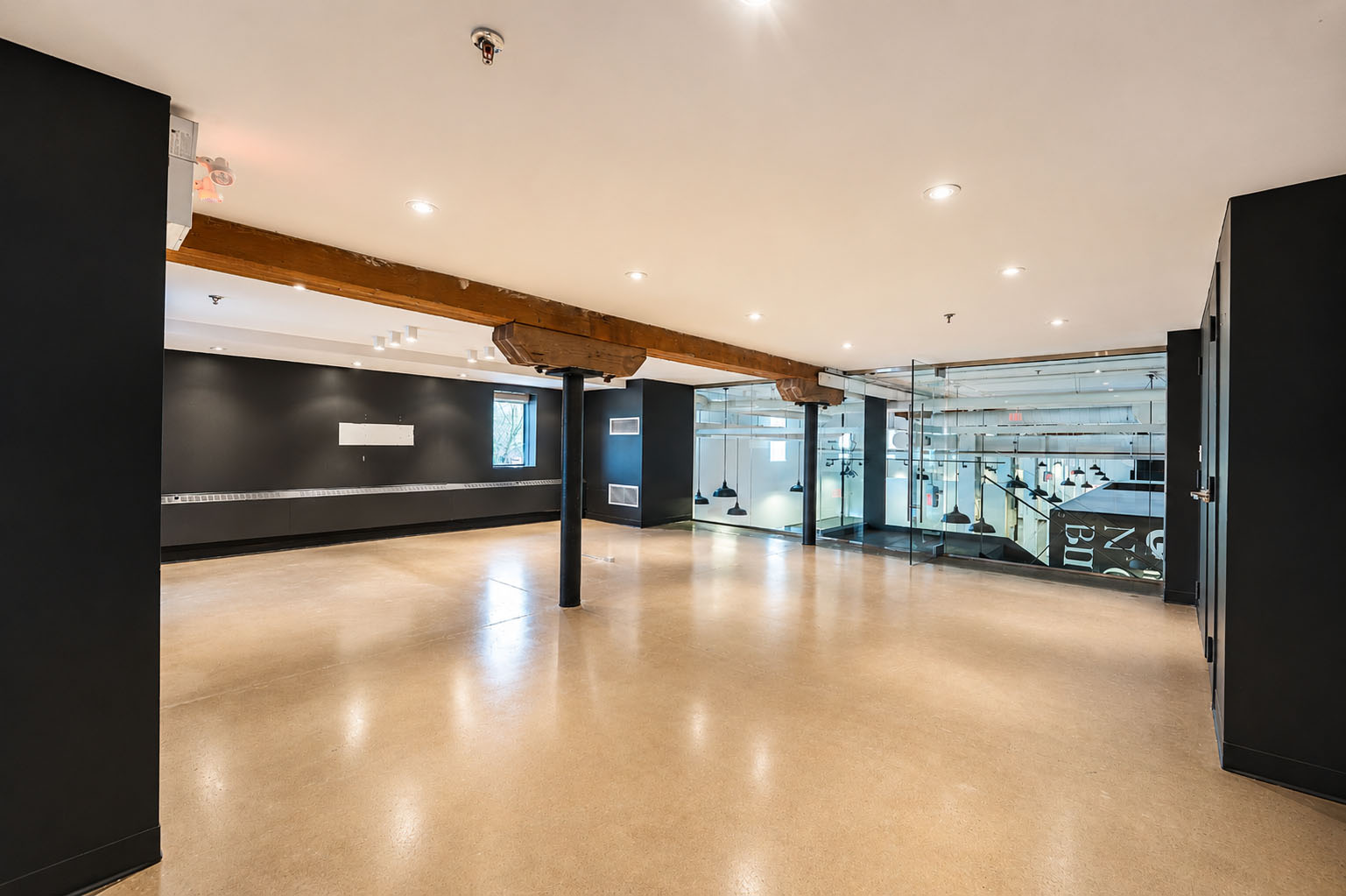
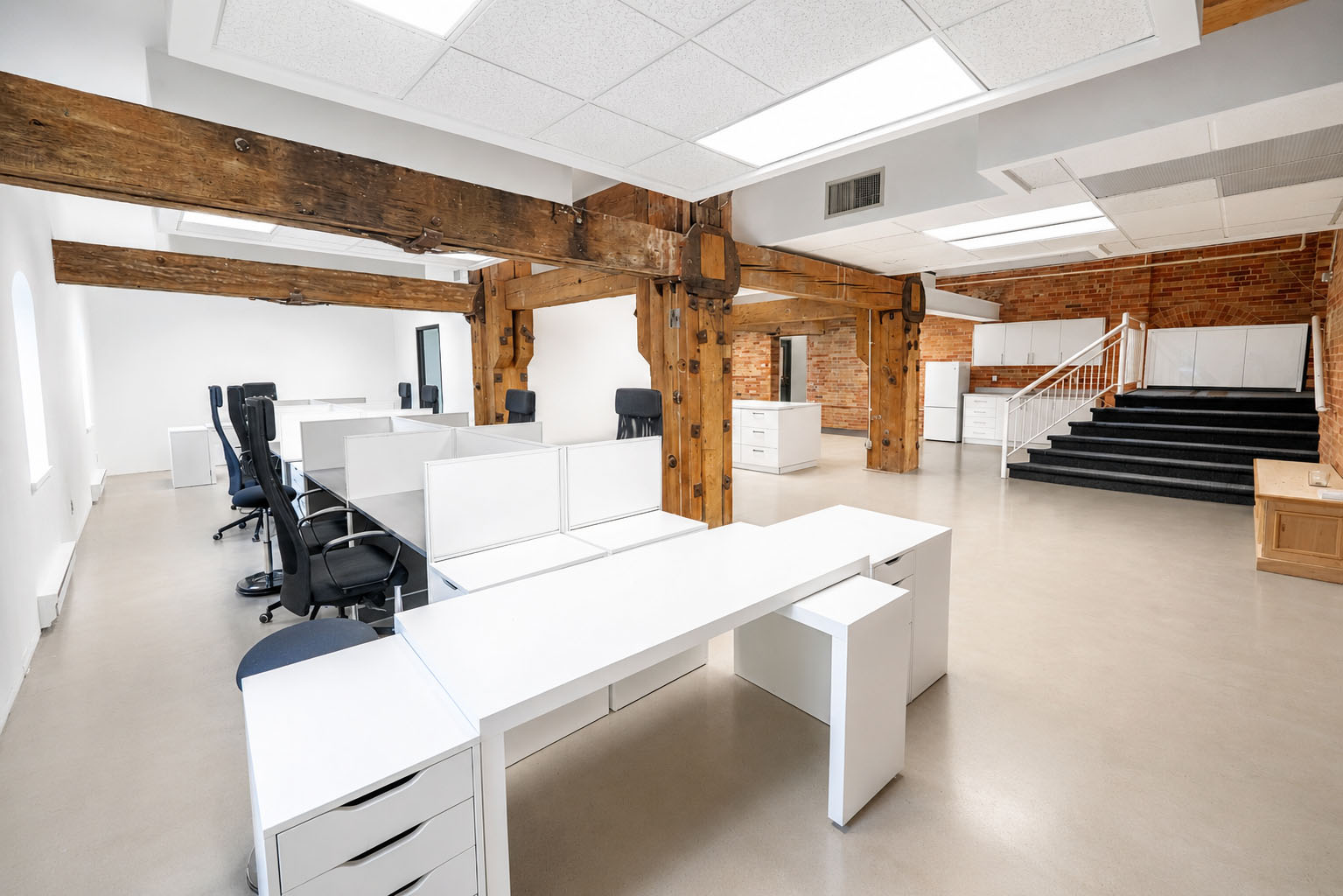
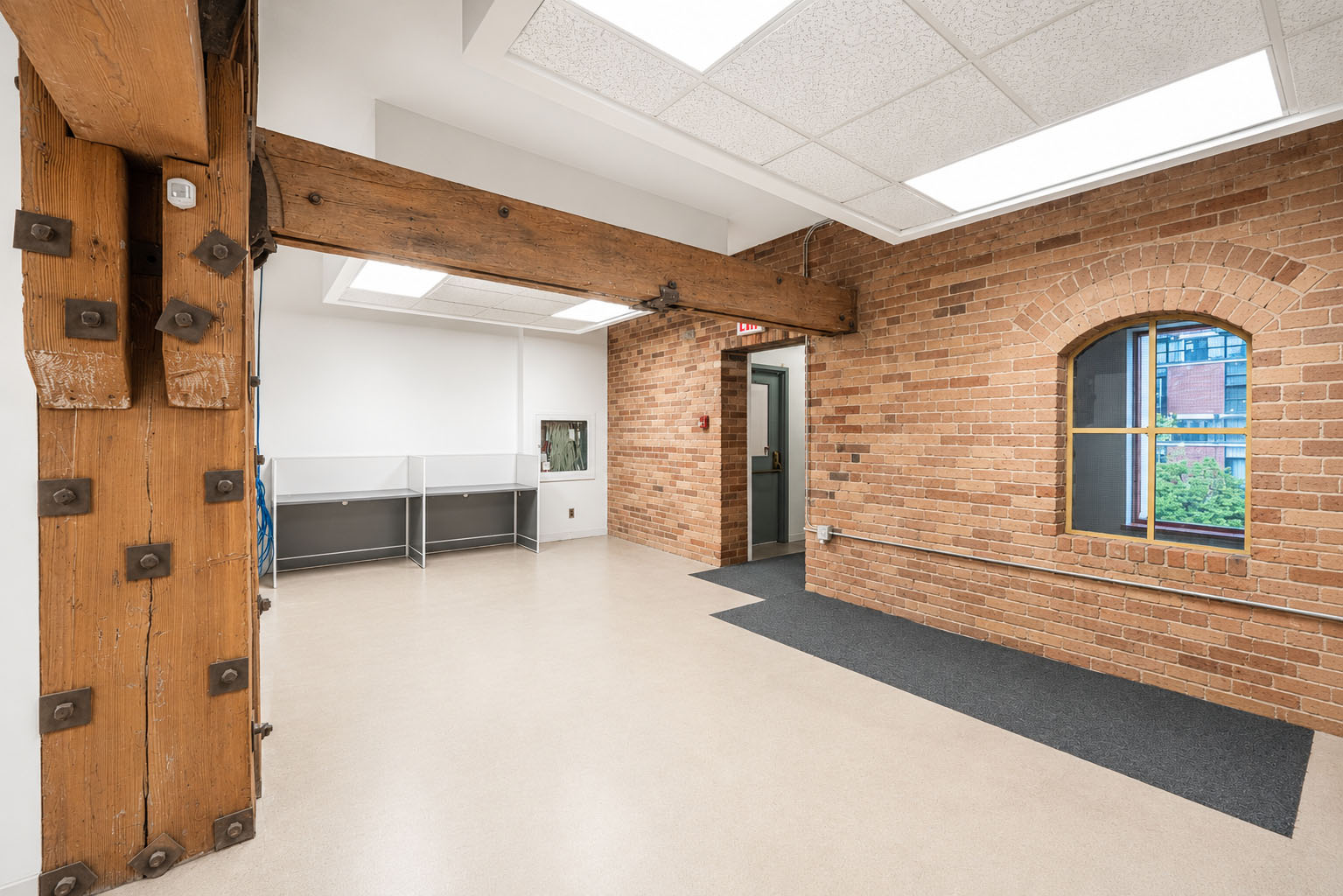
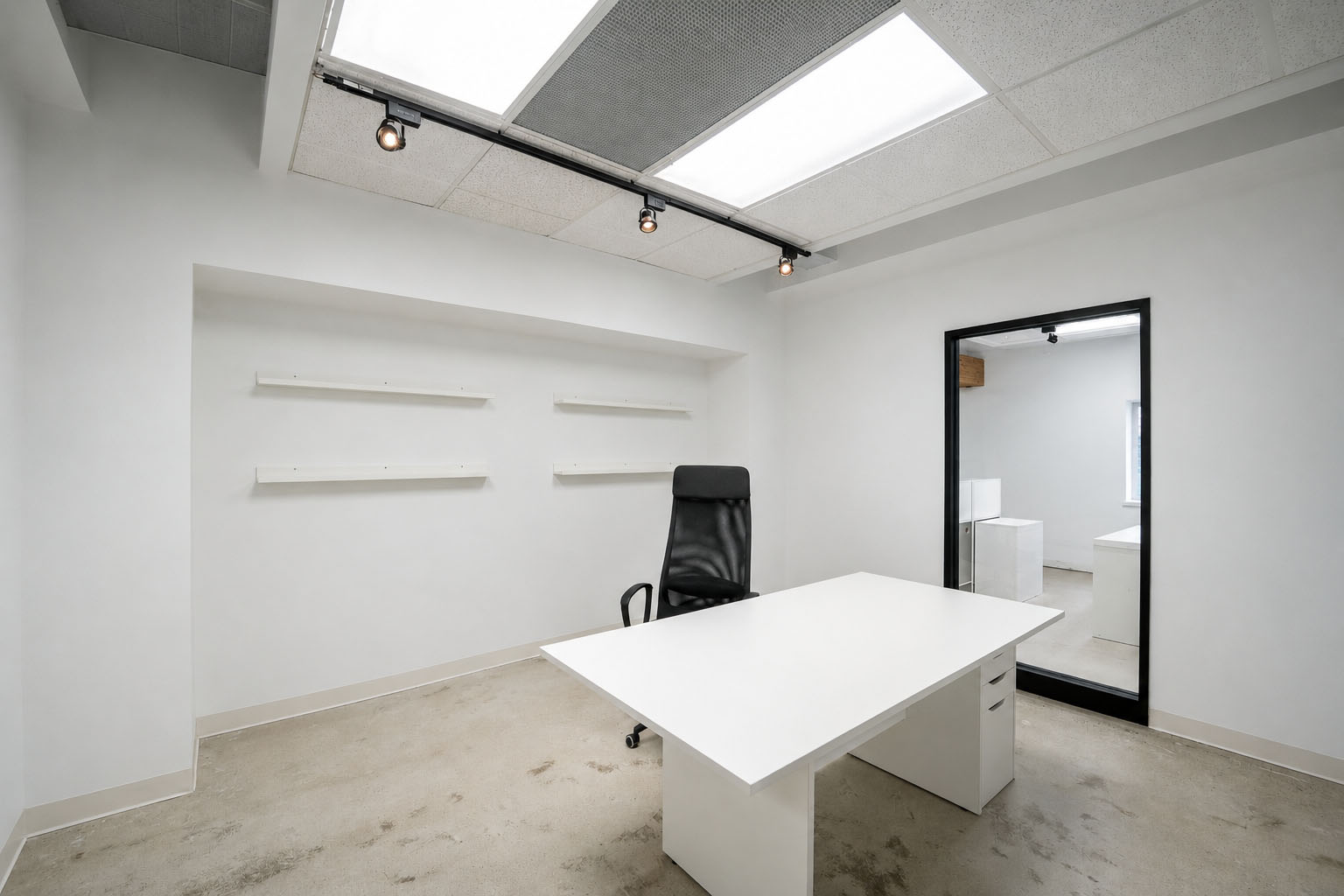
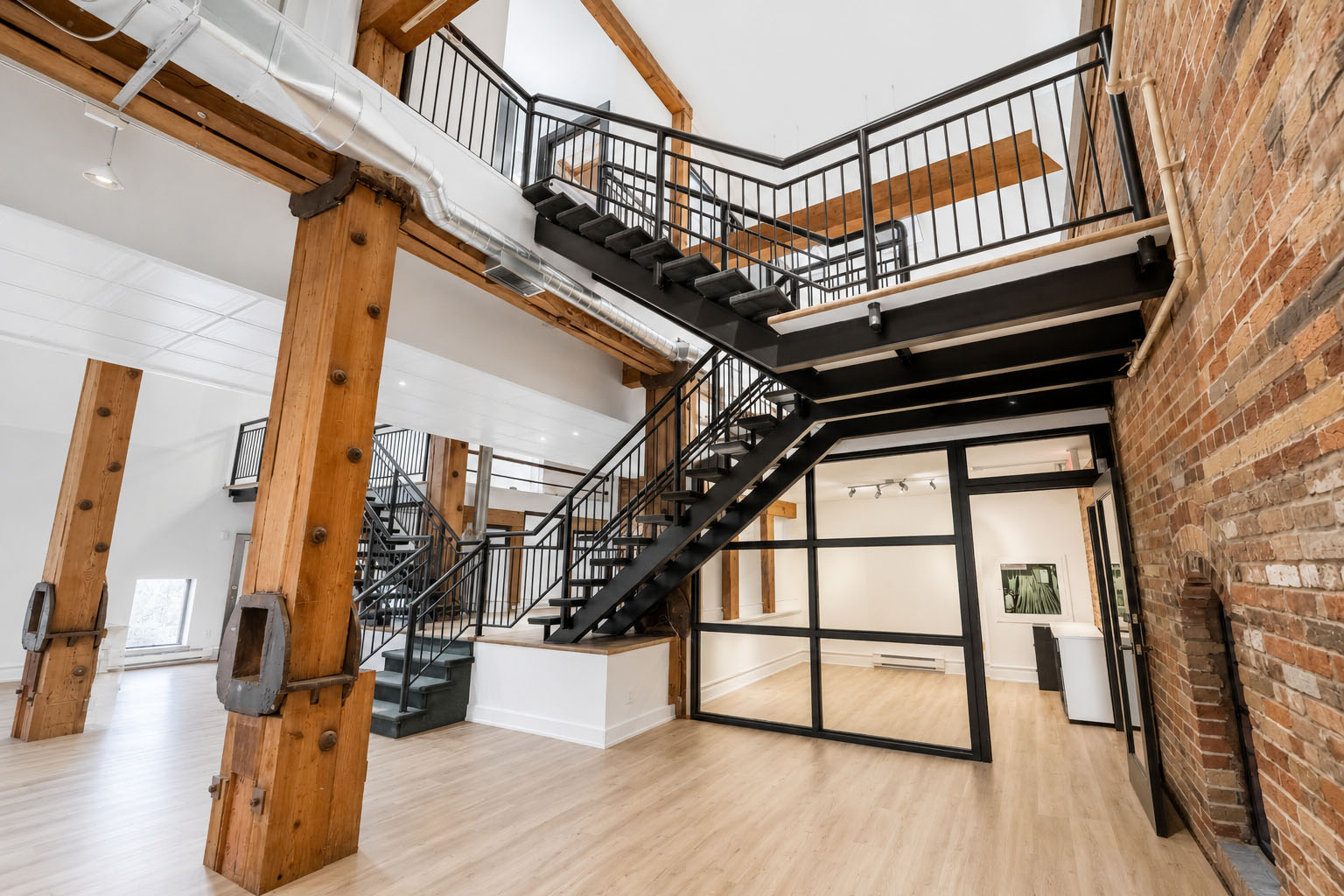
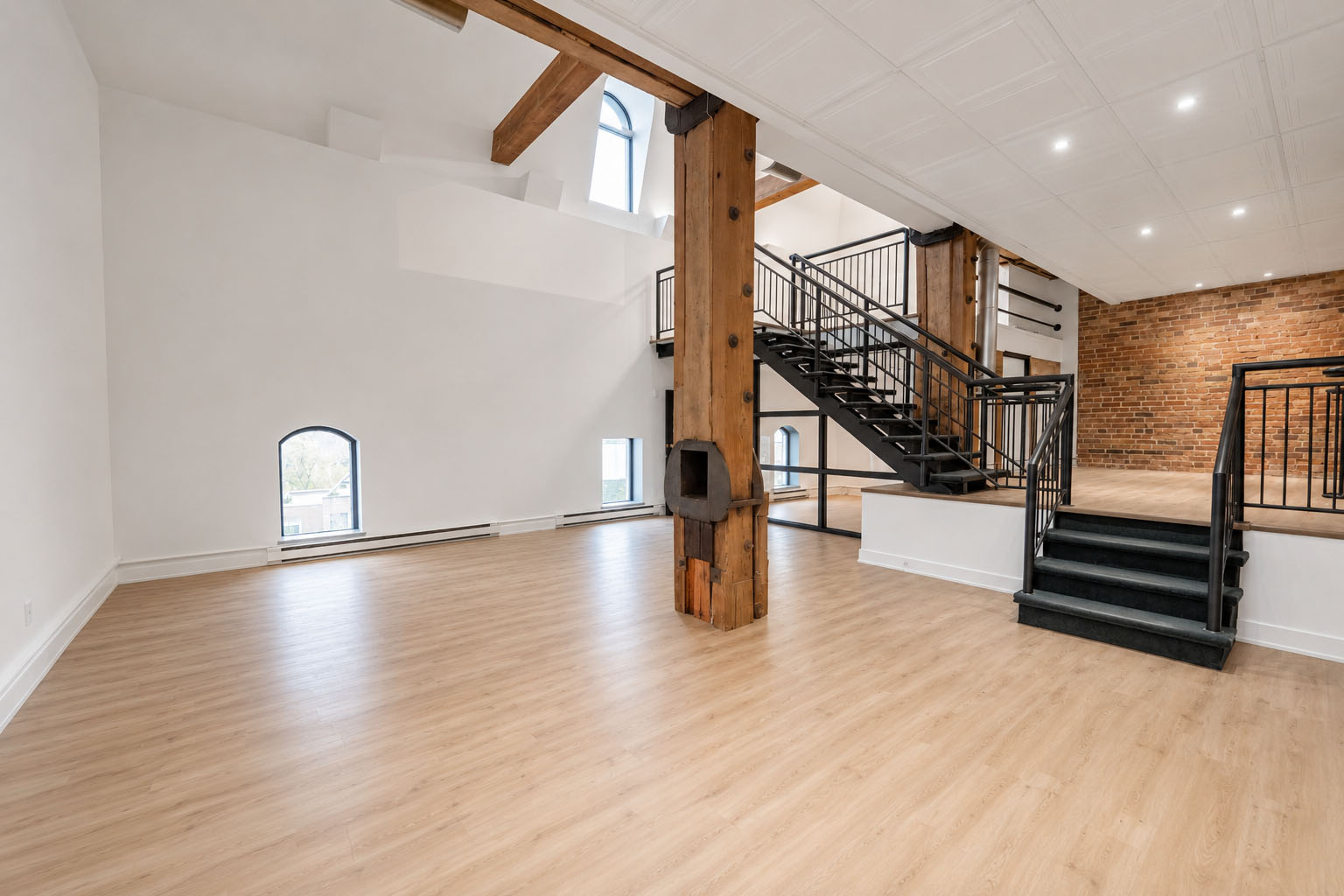
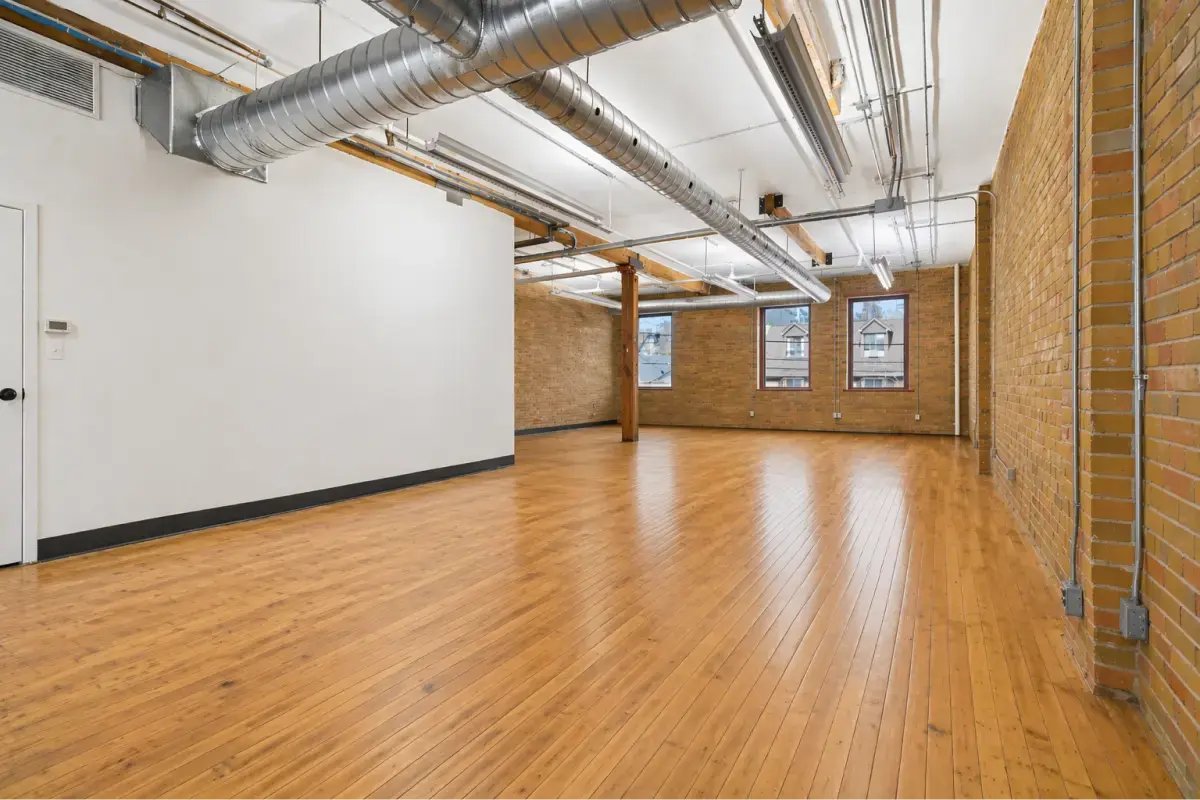
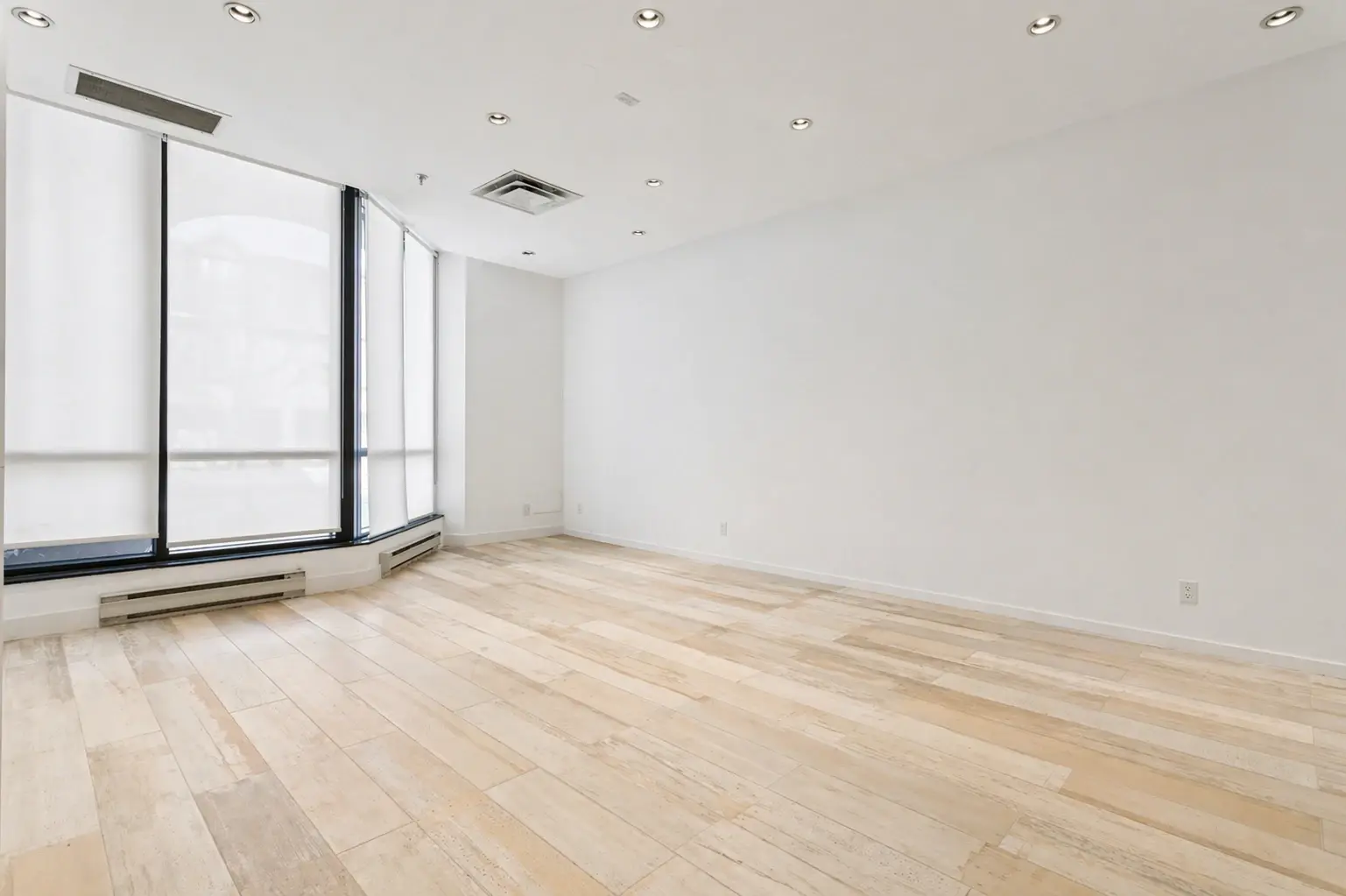
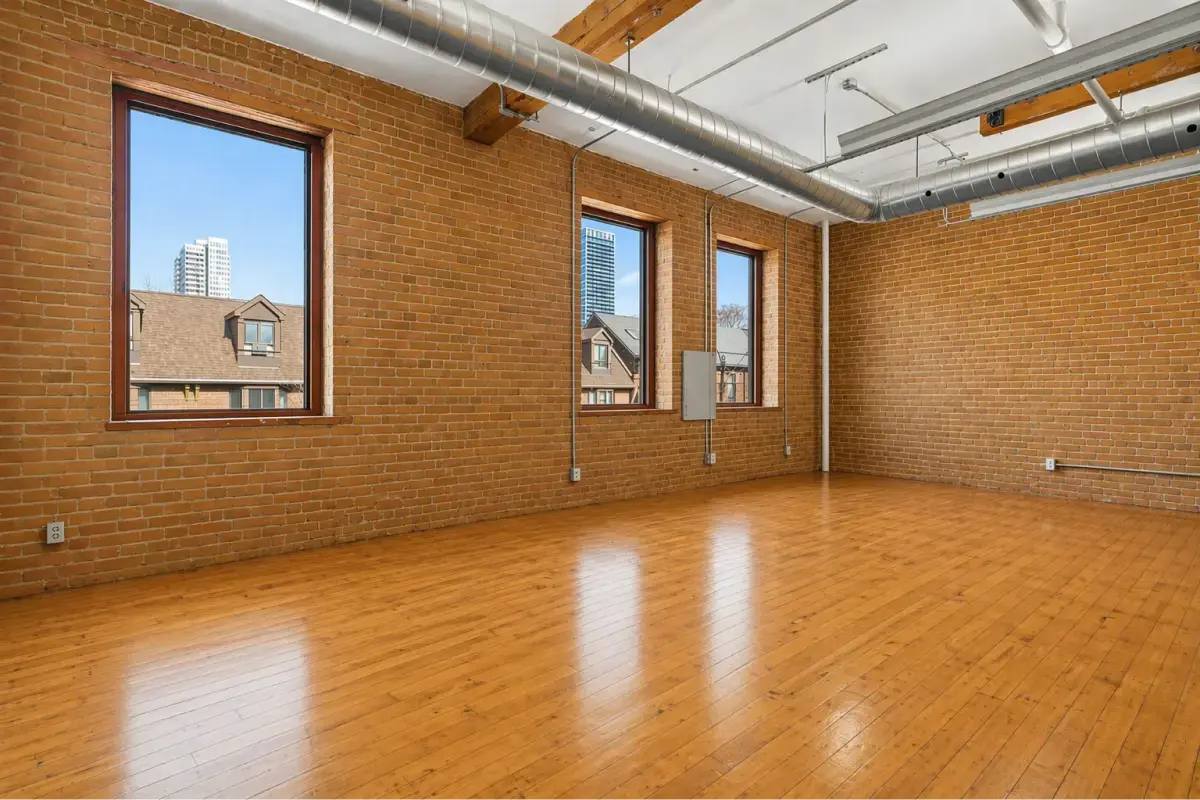
Located on the north side of Queen Street East at Sumach in the heart of historic Corktown, Dominion Square is one of Toronto’s notable industrial heritage assemblages. Originally constructed in 1878 as the Dominion Brewery by Robert Davies, the complex was at its peak a sprawling array of buildings, courtyards, and stables that defined Toronto’s brewing and distilling district for nearly 60 years. The brewery closed in 1936, and the surviving brick-and-beam structures were carefully restored between 1987 and 1990. Today, the property combines original red brick masonry, exposed timber beams, and a modern glass elevator tower that gives tenants a striking view of the heritage interior, a rare combination of Victorian industrial character and contemporary workspace amenity.
Key Features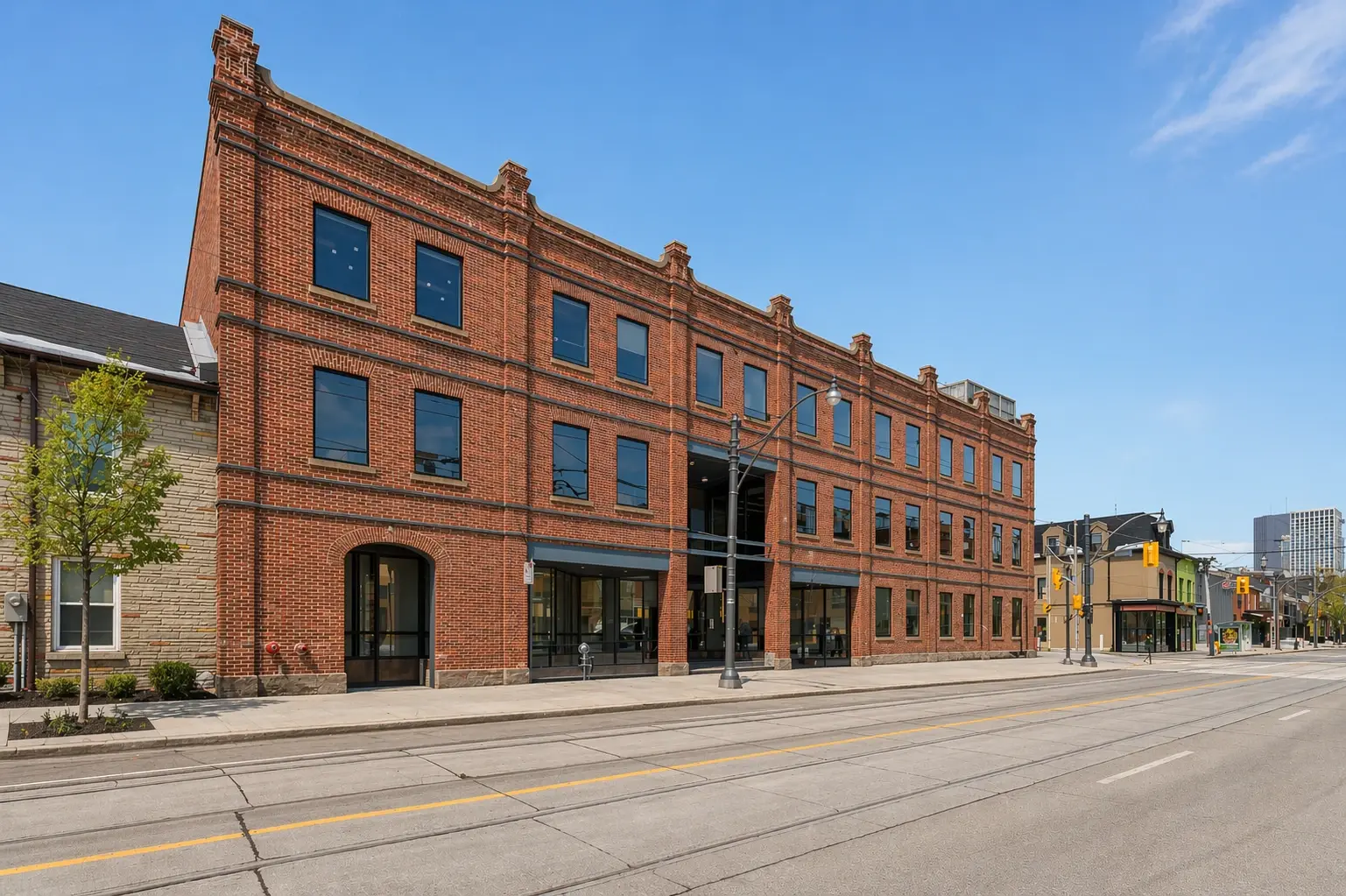
%201.webp)
Corkonian
489 Queen Street East, Toronto
Corkonian
489 Queen Street East, Toronto
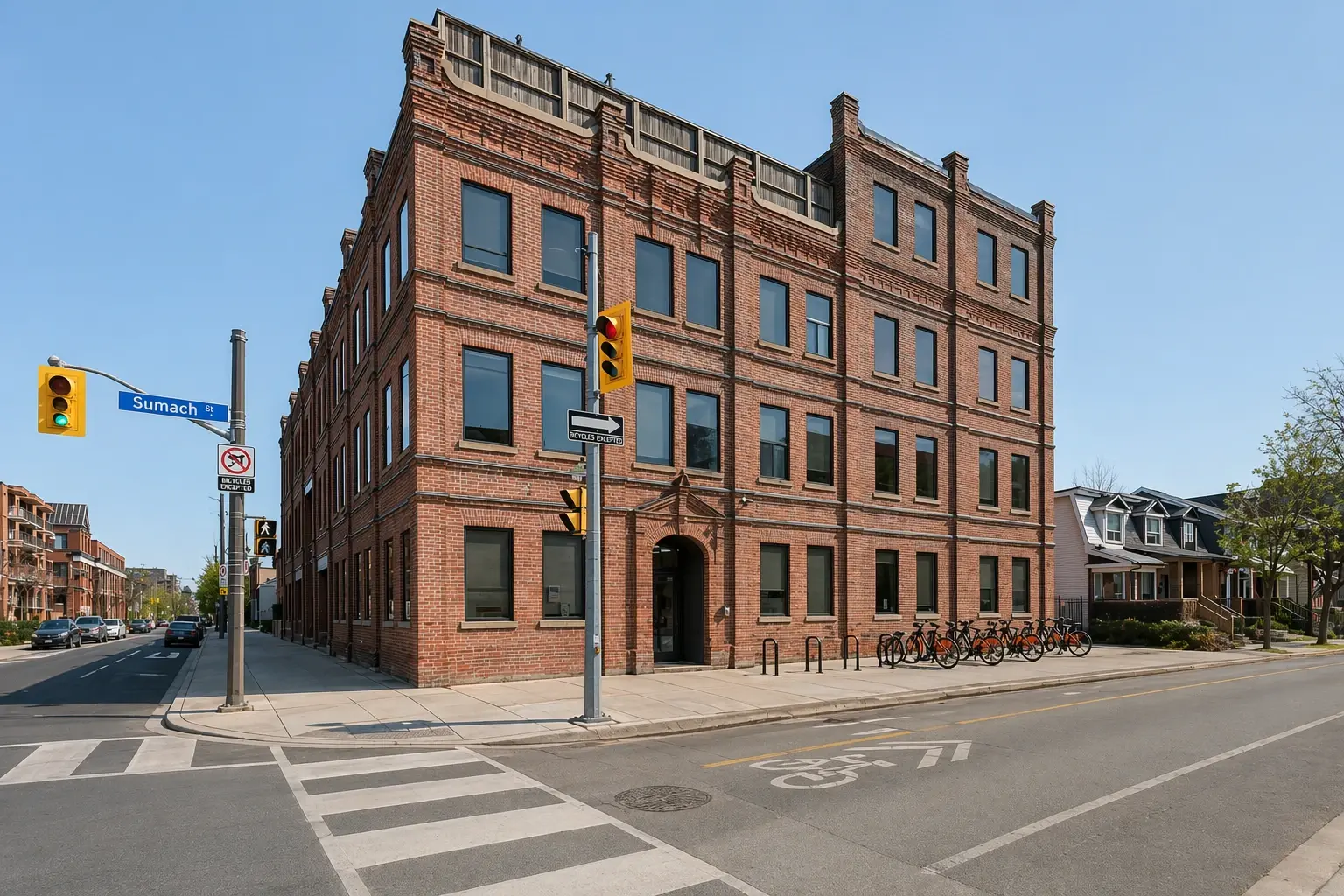
Located at the southeast corner of Queen Street East and Sumach Street, 489 Queen Street East is a restored brick-and-beam office property in Toronto’s historic Corktown neighbourhood. Originally constructed in 1884 as a warehouse/factory, the building reflects the industrial character that shaped the King-Parliament area in the late 19th century. Today, the property offers character-rich office space with exposed brick, high ceilings, large windows, and abundant natural light, steps from Queen Street East amenities, transit, cycling routes, and the Don Valley Parkway.
Key Features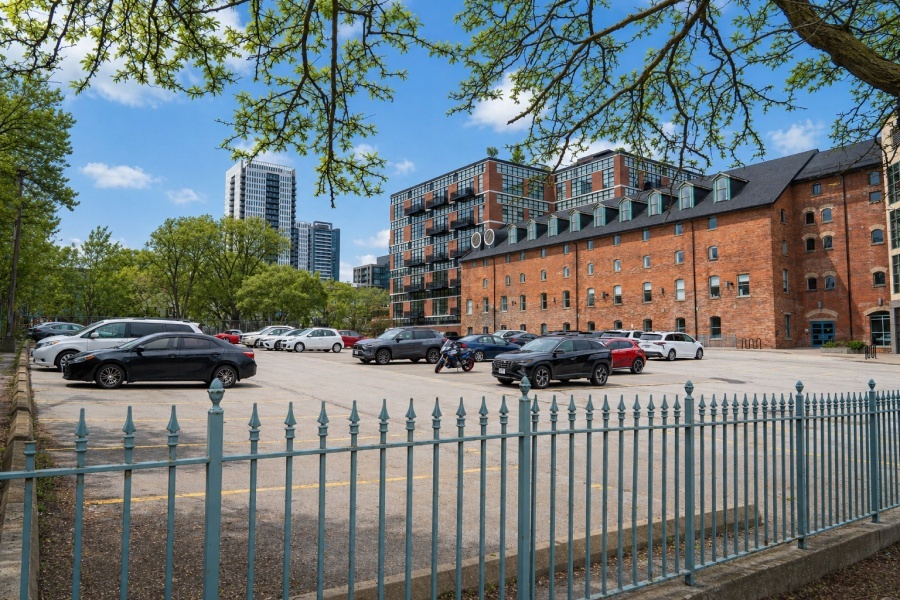
Dominion Yard
460 Queen Street East, Toronto
Dominion Yard
460 Queen Street East, Toronto
Adjoining the Dominion Square heritage complex, Dominion Yard occupies the former service grounds of the historic Dominion Brewery — once home to the courtyards, stables, and loading yards that supported one of 19th-century Toronto's largest industrial operations. The property today provides on-site parking and supporting infrastructure for tenants of the surrounding heritage portfolio, while preserving the open-block character of the original brewery footprint. Its location at the heart of Corktown — steps from Queen Street East's restaurants, retailers, and creative workspace community — makes it an integral part of the Dominion Square assemblage.
Key Features%201.webp)

House of McGrath
75 Victoria Street, Toronto
House of McGrath
75 Victoria Street, Toronto
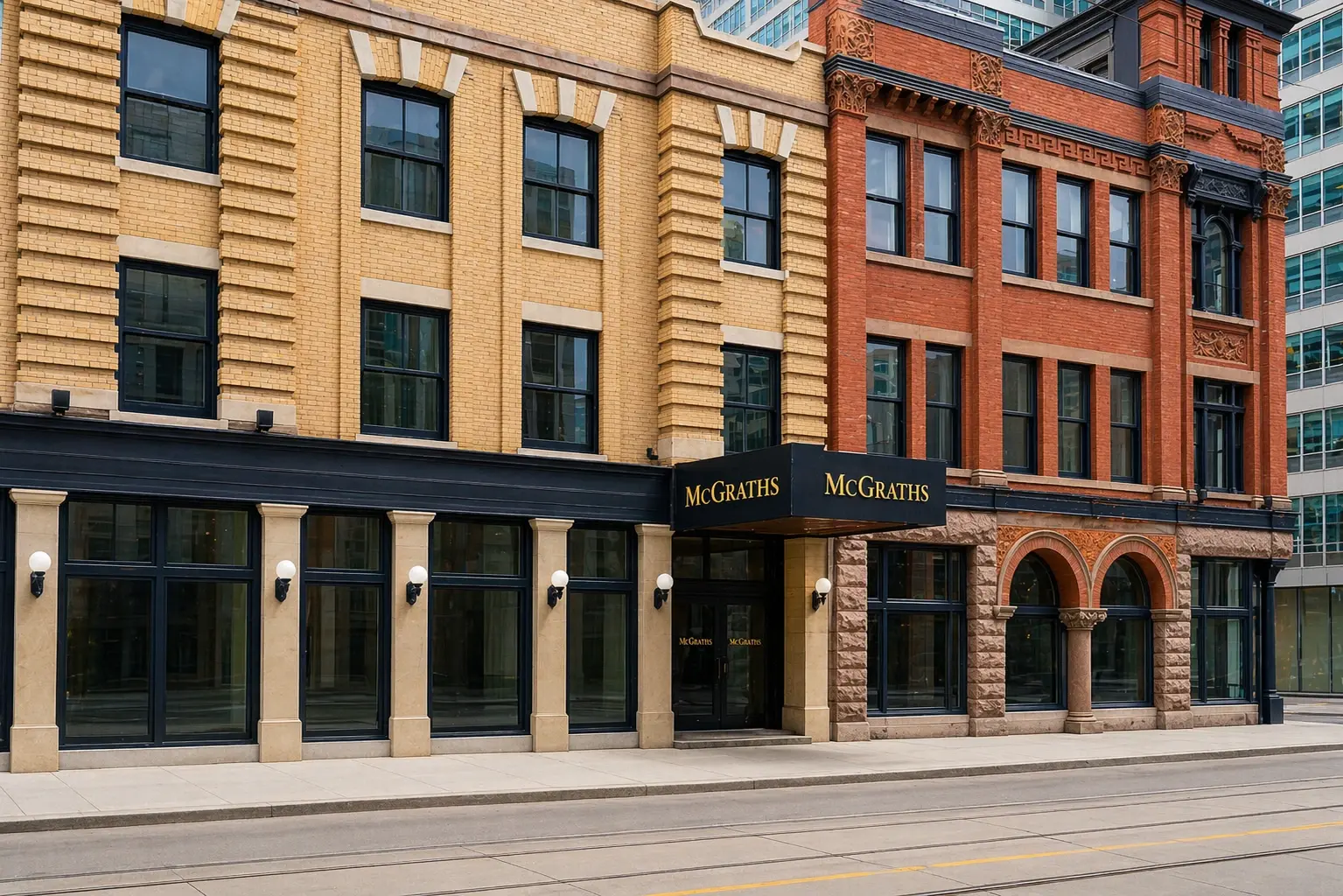
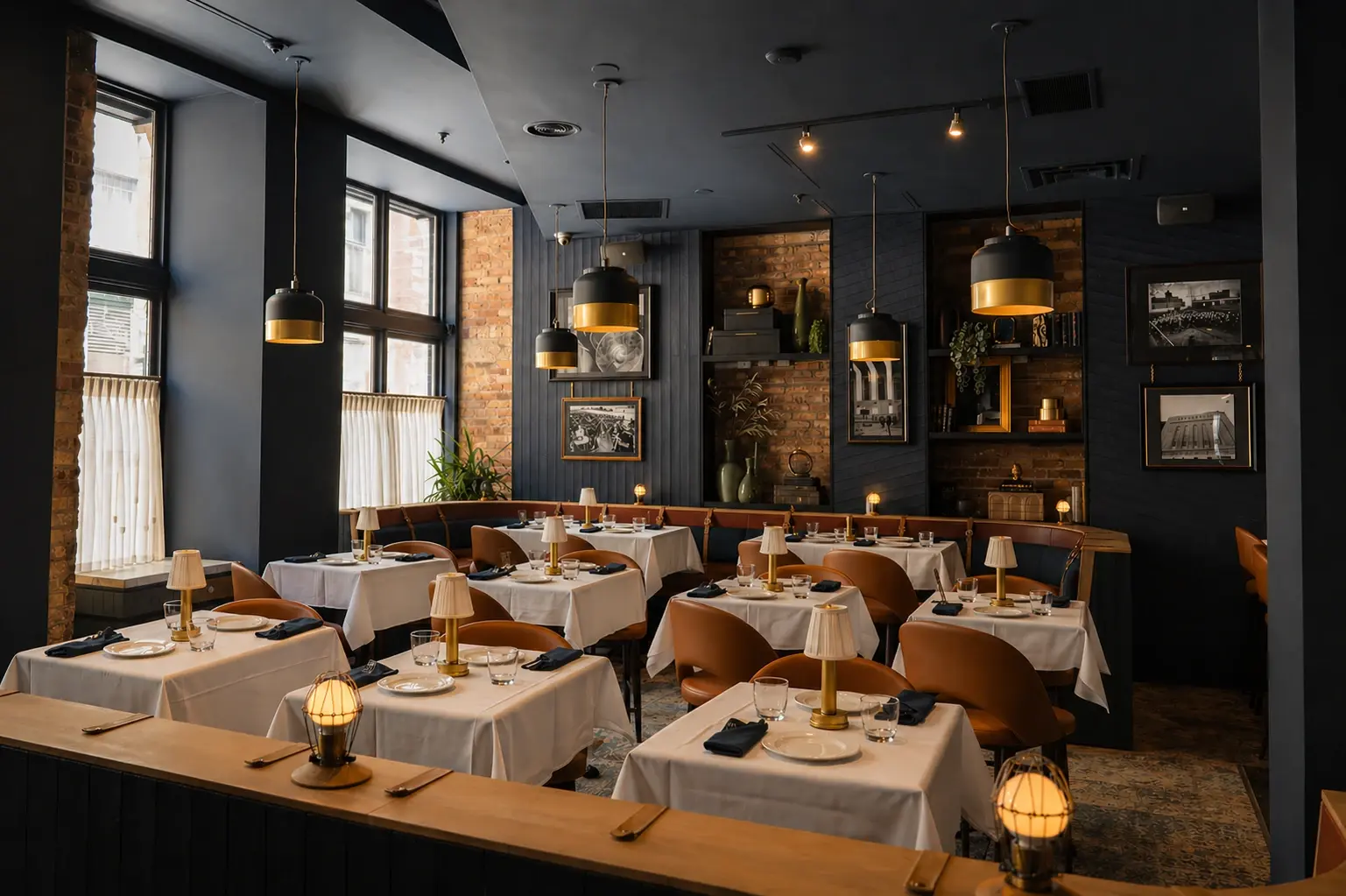
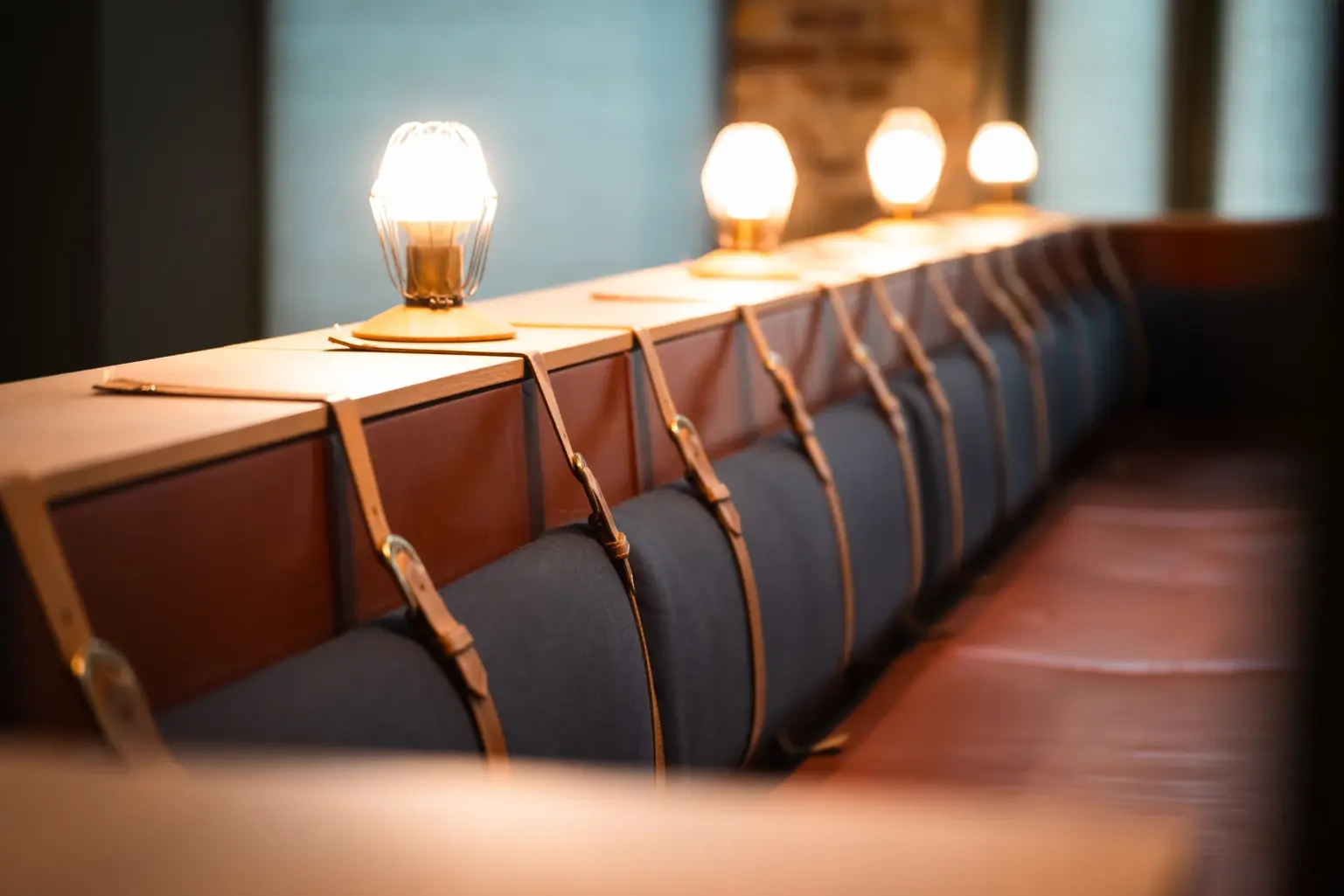
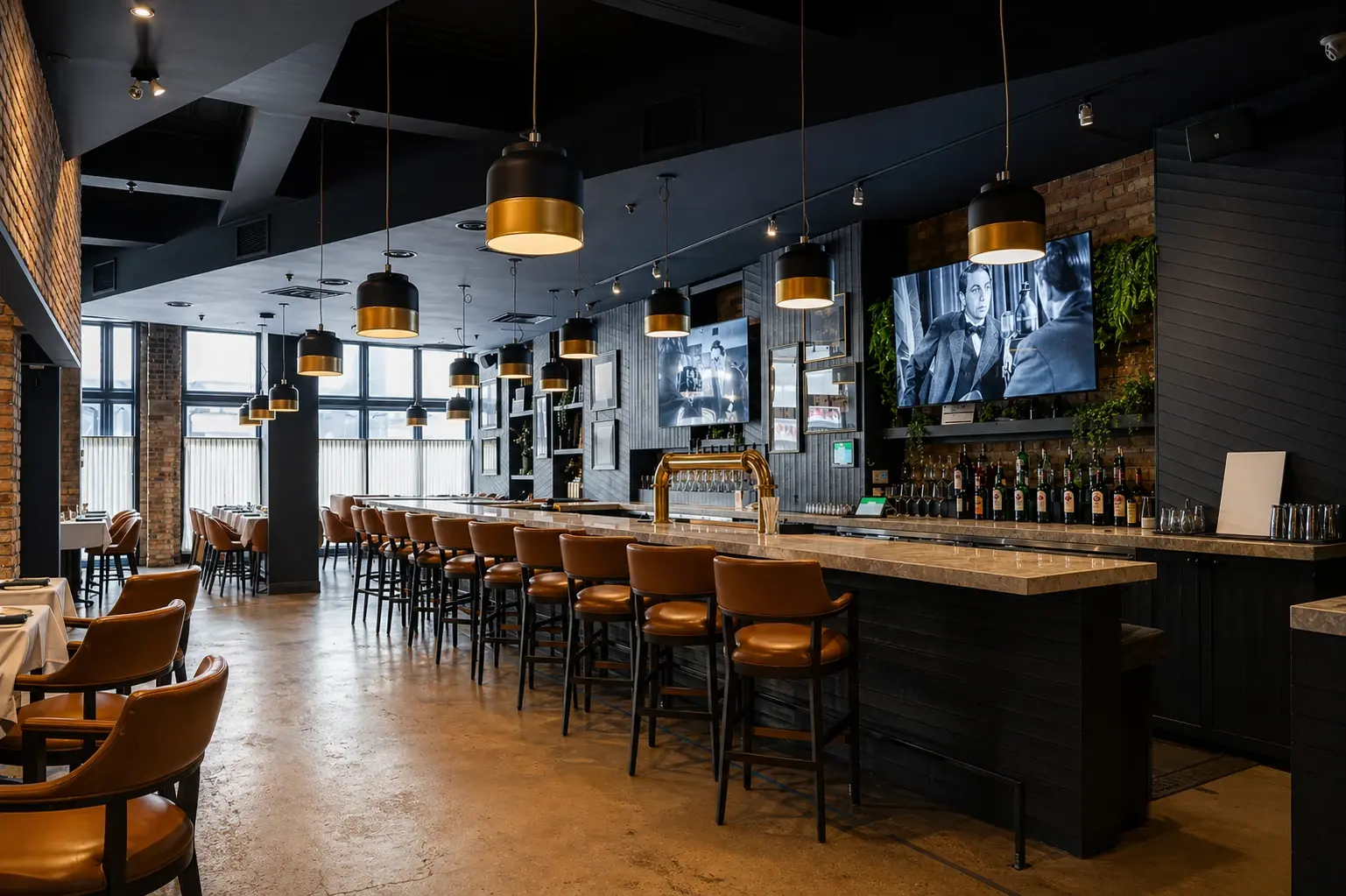
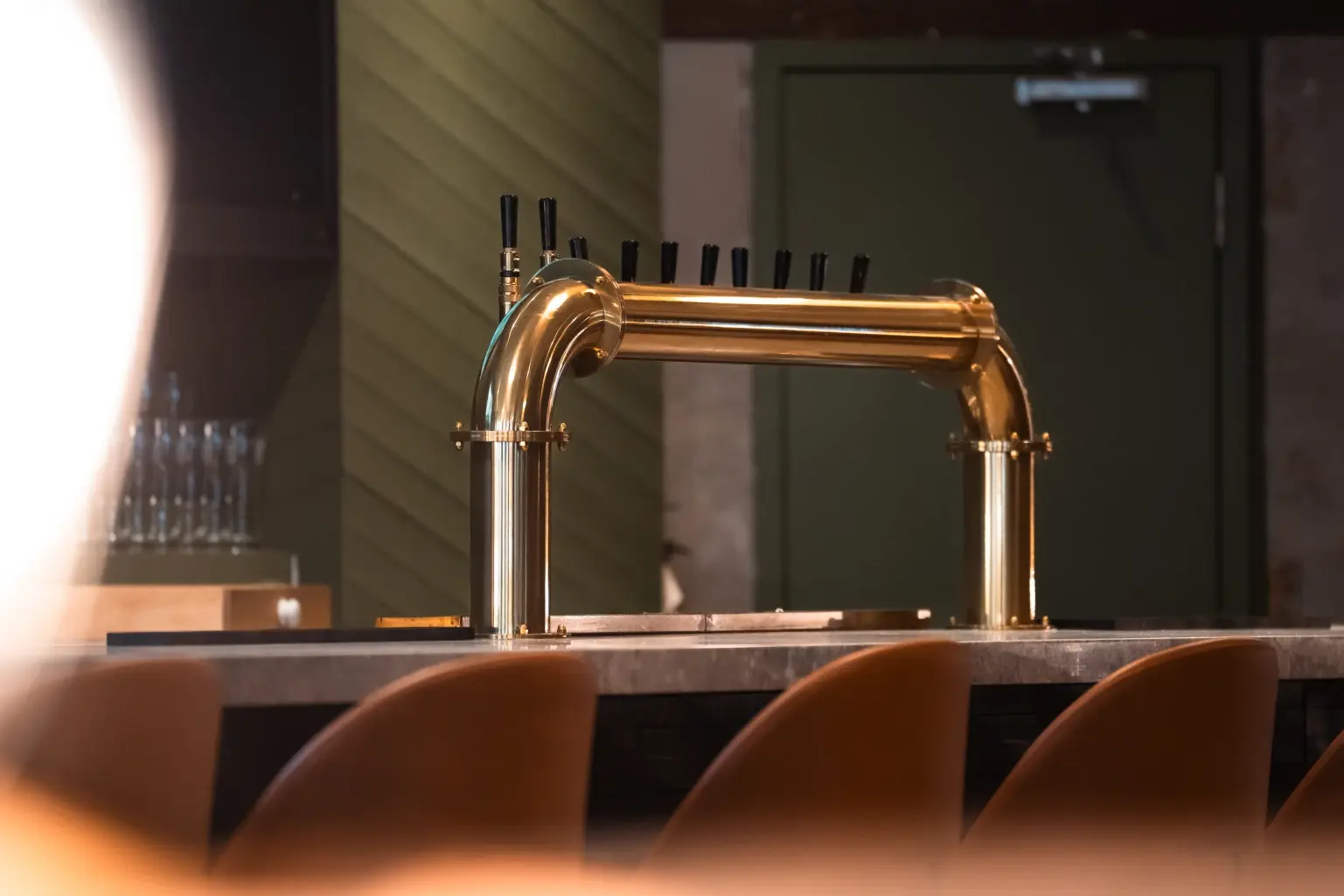
Situated in the heart of Toronto's Old Town, House of McGrath is one of the city's most distinctive heritage addresses — home to a high-end brewery and restaurant occupying the main floor and basement of a beautifully restored Victorian building. The space marries the warmth of original brick masonry and classical proportions with a refined hospitality experience, creating an atmosphere that simply cannot be found in modern construction. Steps from the Financial District, St. Lawrence Market, and the emerging East Downtown corridor, House of McGrath has become a destination in its own right — a place where the character of the building is as much a part of the experience as what's served inside.
Key Features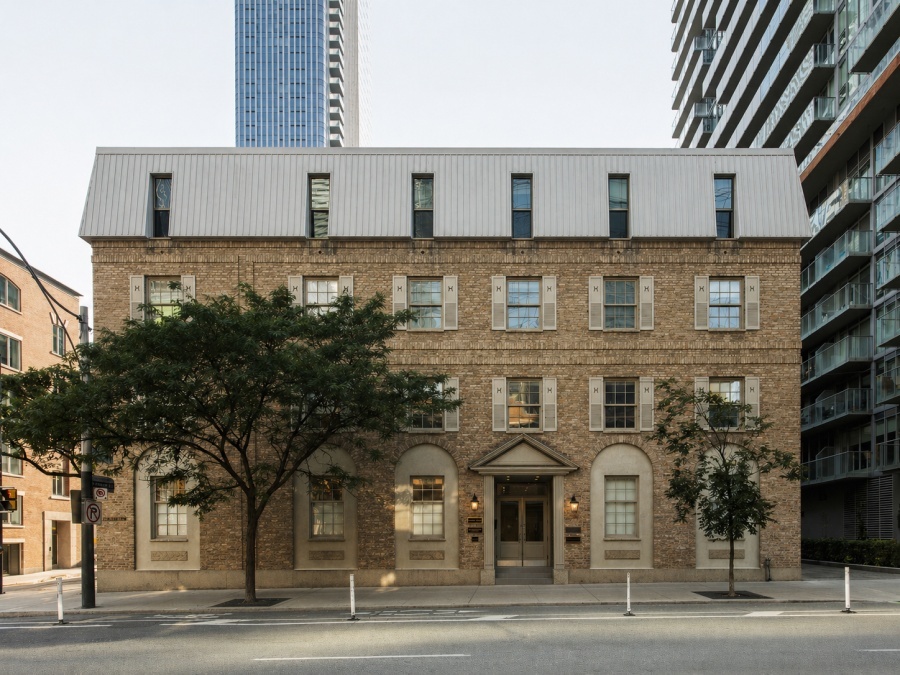
.jpg)
.jpg)
.jpg)
.jpg)
.jpg)
.jpg)
The Pearl
116 Simcoe Street
The Pearl
116 Simcoe Street
Situated in Toronto's Entertainment District just north of King Street West, The Pearl is a four-storey brick-and-beam building that takes its name from nearby Pearl Street — a small heritage lane that has quietly anchored this stretch of downtown since the 19th century. The property reflects the industrial character of King-Spadina, the manufacturing district that emerged after the Great Fire of 1904 and is today recognized as one of Toronto's most architecturally significant heritage neighbourhoods. Adjoining the heritage-designated Rolph and Clark Limited Building and steps from the Royal Alexandra Theatre, the building offers a distinctive workspace within one of the city's most culturally connected addresses.
Key Features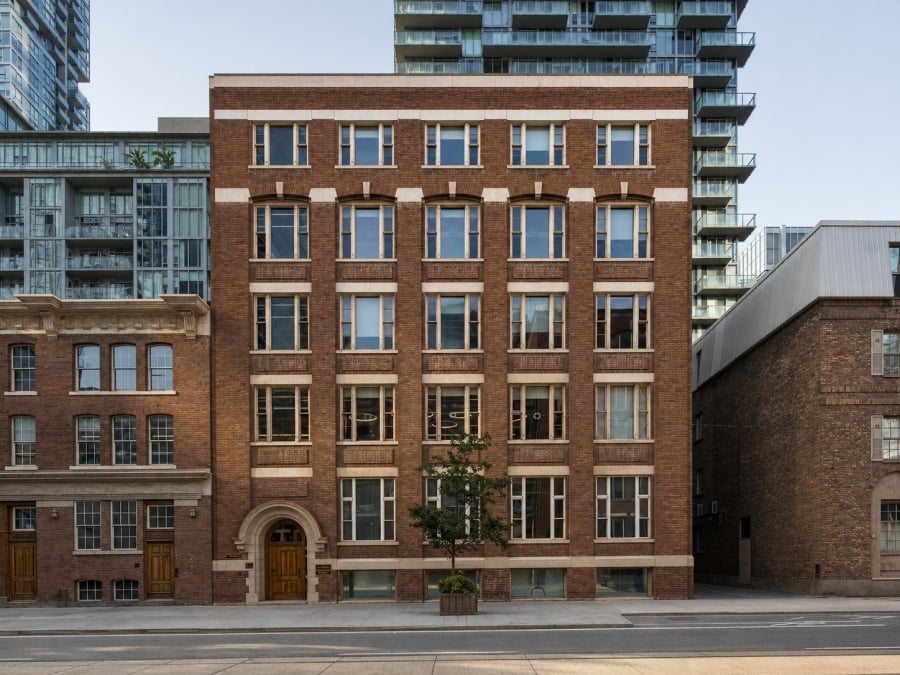
.jpg)
.jpg)
.jpg)
.jpg)
.jpg)
.jpg)
.jpg)
.jpg)
.jpg)
The Canadian Magazine Building
200 Adelaide Street West, Toronto
The Canadian Magazine Building
200 Adelaide Street West, Toronto
Designed in 1913 by the prominent Toronto architectural firm Burke, Horwood and White, The Canadian Magazine Building is a six-storey Edwardian Classical brick-and-beam structure originally built for jewellery manufacturing — a defining industry of King-Spadina's early 20th-century industrial era. The building was designated under the Ontario Heritage Act in 2005 and stands as a contributing property within the King-Spadina Heritage Conservation District. Its restored interior — featuring exposed brick, heavy timber beams, and abundant natural light — exemplifies the kind of Class I workspace that has come to define Toronto's most sought-after creative and professional addresses.
Key Features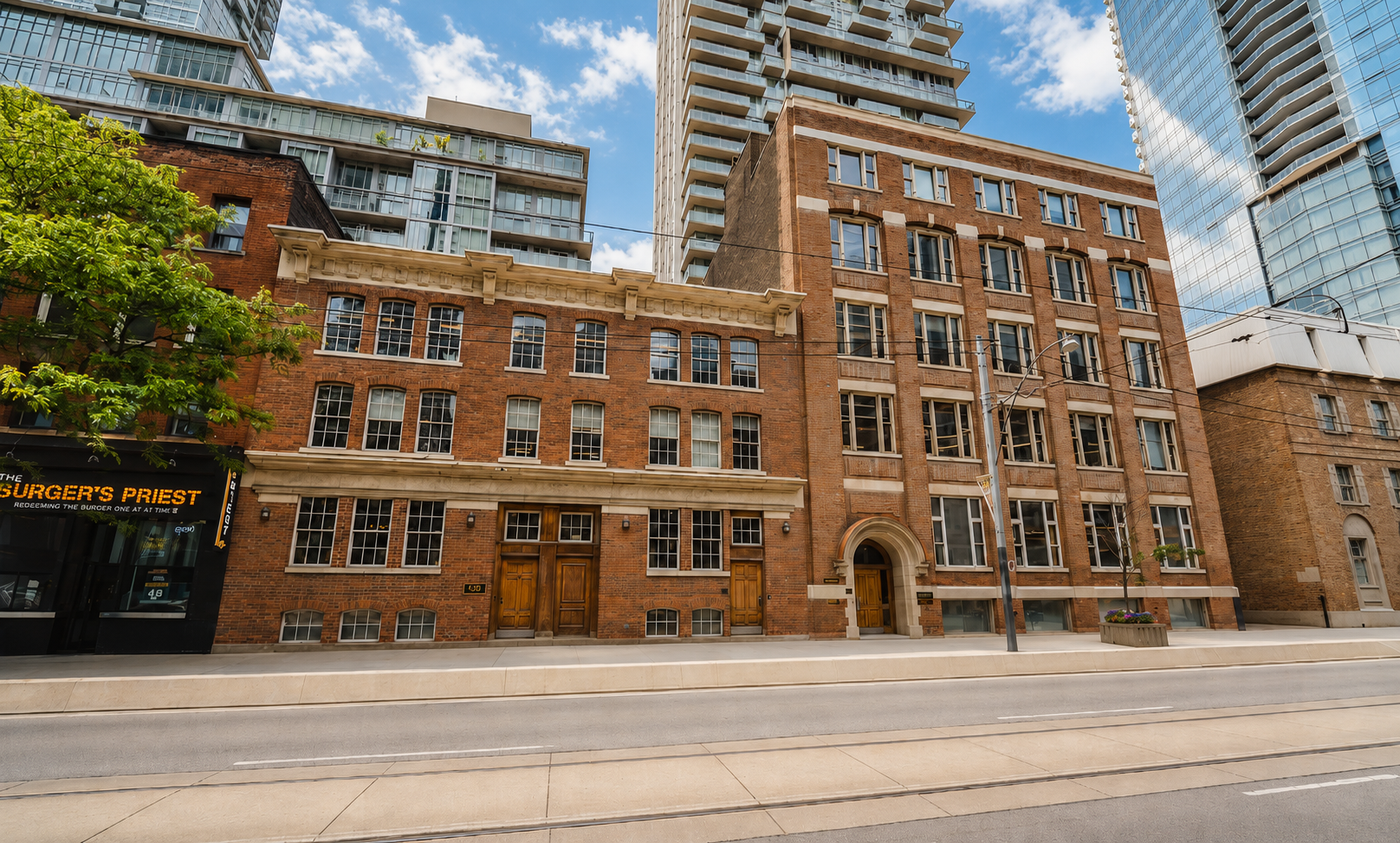
The Cornice
208-210 Adelaide Street West, Toronto
The Cornice
208-210 Adelaide Street West, Toronto
The Cornice is an Edwardian Classical commercial building distinguished by its refined stone detailing — most notably the elegant cornices that crown its principal Adelaide Street facade and give the building its name. Constructed during the early 20th-century rebuilding of King-Spadina that followed the Great Fire of 1904, the property is a contributing heritage building within the King-Spadina Heritage Conservation District. Its location between Simcoe and John Streets places it in the heart of Toronto's most architecturally cohesive heritage commercial corridor, surrounded by the city's leading theatre, design, and creative tenancies.
Key Features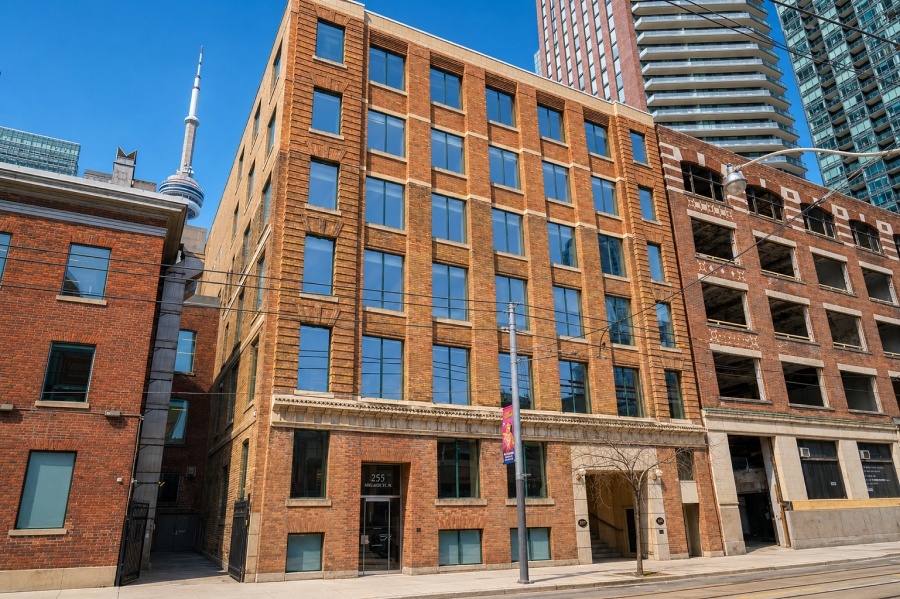
.jpg)
.jpg)
.jpg)
.jpg)
.jpg)
.jpg)
.jpg)
.jpg)
.jpg)
Duncan House
257 Adelaide Street West, Toronto
Duncan House
257 Adelaide Street West, Toronto
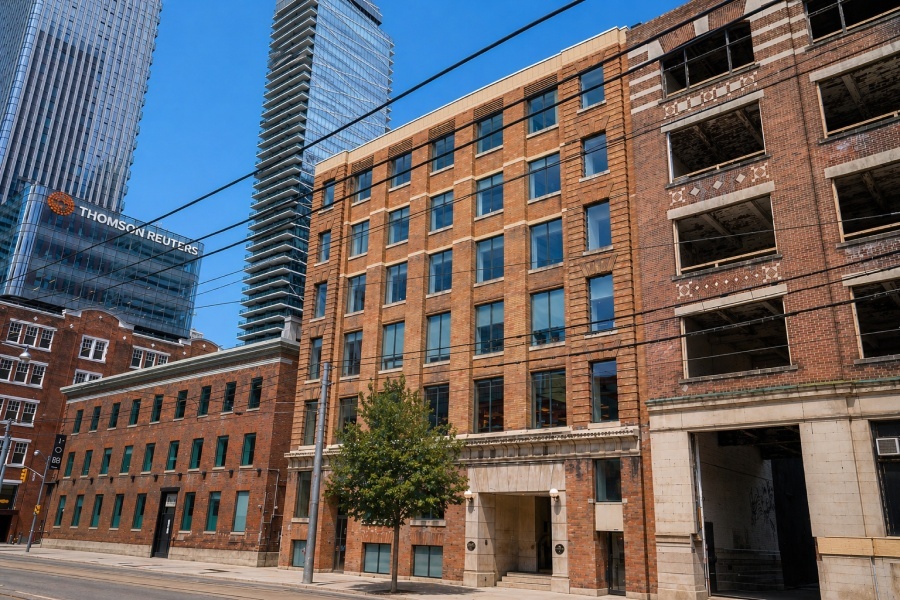
Built in 1910 as a manufacturing building during King-Spadina's industrial peak, Duncan House takes its name from Duncan Street — the spine of the early-20th-century factory and warehouse district that defines this section of downtown Toronto. The six-and-a-half-storey building combines its original brick masonry construction with a sympathetic two-storey addition completed in approximately 1990. Listed on the City of Toronto Heritage Register in 2017 and contributing to the King-Spadina Heritage Conservation District, the property today offers Class I creative workspace within walking distance of the Financial District, the Theatre District, and the King West restaurant corridor.
Key Features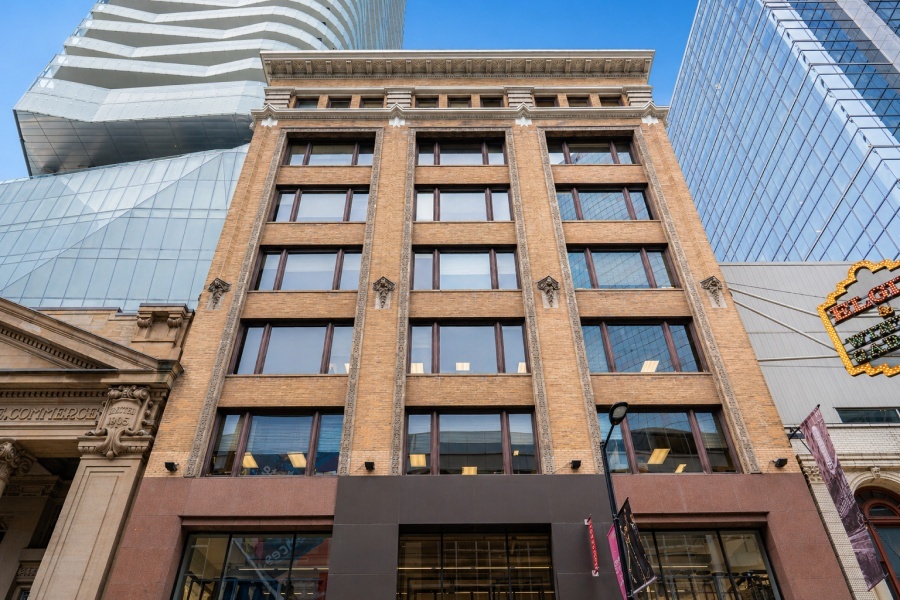
Heintzman Building
193-195 Yonge Street, Toronto
Heintzman Building
193-195 Yonge Street, Toronto
The Heintzman Building takes its name from Heintzman & Company, the celebrated Canadian piano makers who occupied 195 Yonge Street as their flagship showroom from 1911 until 1971 — a six-decade tenancy that defined this stretch of Toronto's main thoroughfare. The eight-storey heritage building is recognized for its decorative brickwork and classical cornice detailing, including dentil and egg-and-dart patterns drawn from Greek architectural tradition. Adjoined to the south by the heritage-designated Elgin and Winter Garden Theatres and to the north by the historic Bank of Toronto and Bank of Montreal buildings, the property sits at the architectural and cultural heart of Toronto's Theatre Block — one of only eight buildings on this stretch of Yonge Street recognized for their heritage values.
Key Features
Heintzman Building
193-195 Yonge Street, Toronto
Heintzman Building
193-195 Yonge Street, Toronto
The Heintzman Building takes its name from Heintzman & Company, the celebrated Canadian piano makers who occupied 195 Yonge Street as their flagship showroom from 1911 until 1971 — a six-decade tenancy that defined this stretch of Toronto's main thoroughfare. The eight-storey heritage building is recognized for its decorative brickwork and classical cornice detailing, including dentil and egg-and-dart patterns drawn from Greek architectural tradition. Adjoined to the south by the heritage-designated Elgin and Winter Garden Theatres and to the north by the historic Bank of Toronto and Bank of Montreal buildings, the property sits at the architectural and cultural heart of Toronto's Theatre Block — one of only eight buildings on this stretch of Yonge Street recognized for their heritage values.
Key Features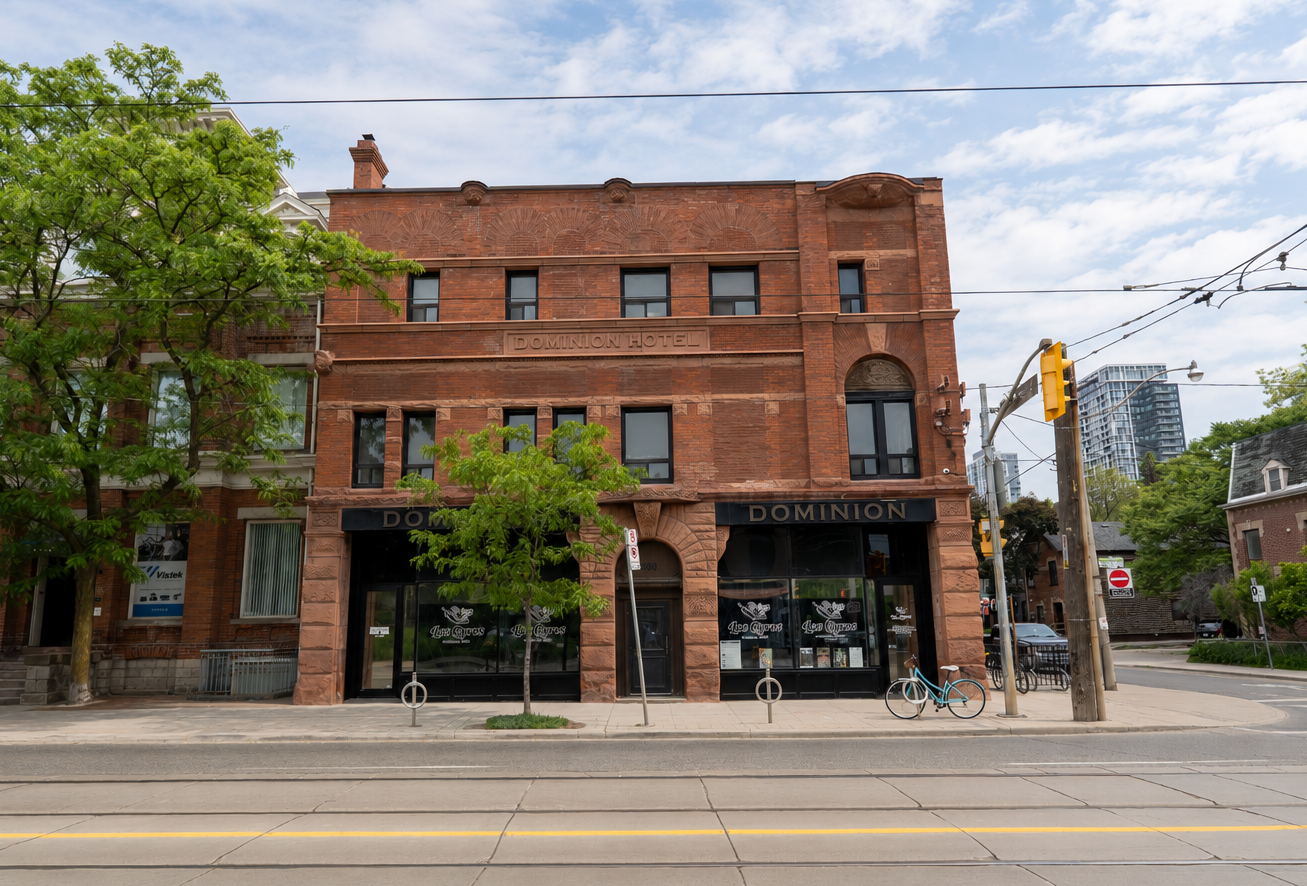
Dominion Hotel
498-500 Queen Street East, Toronto
Dominion Hotel
498-500 Queen Street East, Toronto
Built in 1889, the historic Dominion Hotel at 498-500 Queen Street East is a late-Victorian landmark located at the corner of Queen Street East and Sumach Street in Corktown. Originally associated with the neighbouring Dominion Brewery and commissioned for brewer Robert T. Davies, the building was designed by David Roberts Jr., the architect also known for Toronto’s Gooderham Building. Today, the property has been carefully restored to preserve its red brick façade, sandstone detailing, masonry, decorative cornices, and historic storefront character while supporting renewed commercial use in one of Toronto’s oldest east-end neighbourhoods, close to the Distillery District, Leslieville, Corktown Common, and ongoing Downtown East growth.
Key Features